
The Art of Tartiflette and Fondue
Discover the secrets of Savoie's most iconic dishes, between centuries-old tradition and absolute indulgence in this year 2026.
A Journey to the Heart of Melted Cheese
If there is one image that defines Savoie, it is that of a steaming dish in the center of a solid wood table, surrounded by laughter and faces reddened by the mountain cold. In 2026, Savoyard gastronomy has lost none of its splendor. Tartiflette and fondue are not just meals; they are social rituals, celebrations of survival against winter, and vibrant tributes to alpine pastures.
In this comprehensive guide, we will explore every corner of these culinary masterpieces. From the fascinating marketing history of tartiflette to the secret codes of Savoyard fondue, prepare for a total immersion in the authenticity of Savoyard cuisine. Whether you are a hungry skier or a gourmet in search of local heritage, these pages are for you.
The Tartiflette Paradox: A "Modern" Tradition
Contrary to what one might think, tartiflette is not an ancestral recipe passed down since the Middle Ages. It is a brilliant creation born in the 1980s. At that time, the Reblochon interprofessional syndicate was looking for an effective way to sell off cheese stocks.
Inspired by Péla (a traditional pan-fry of potatoes, onions, and cheese), tartiflette was "packaged" to become the symbol of ski vacations. Thanks to clever marketing and an irresistible flavor, it established itself in less than a generation as the flagship dish of the Alps.
To learn more about this fascinating journey, check out our section on the history of Savoyard dishes.

Variations of Indulgence
Croziflette
Replace the potatoes with crozets (small local buckwheat pasta) for a unique texture and an incomparable nutty taste.
See the recipe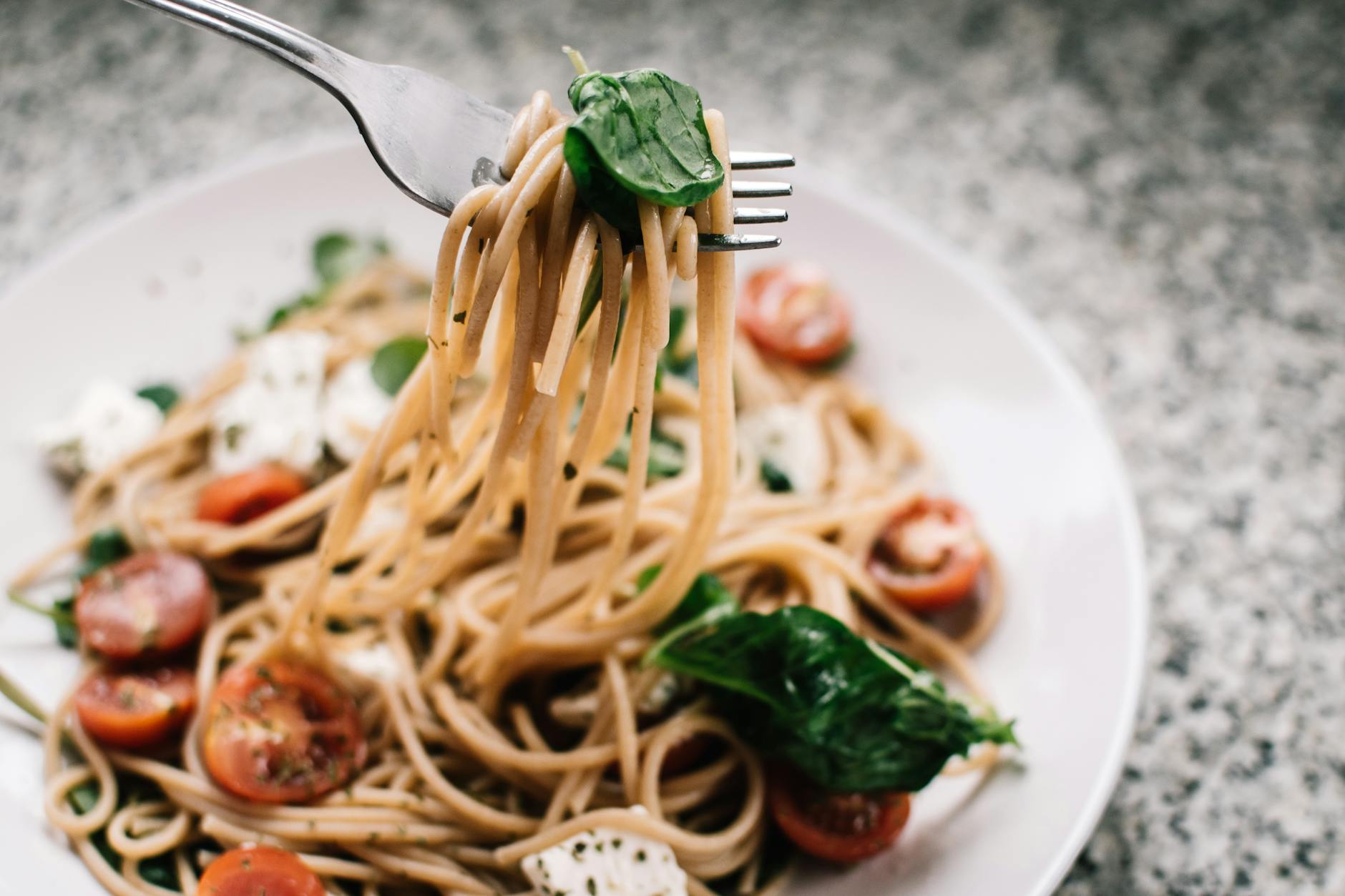
Morbiflette
A variation from the neighboring Jura using Morbier and its characteristic line of ash. A milder but equally creamy alternative.
Poireauflette
A "lighter" version (it's all relative!) where melted leeks bring a touch of greenery and finesse.
Excellence: Morel Fondue
Mountain luxury at its finest. The addition of wild mushrooms transforms a simple fondue into a gourmet dish.
Veggie Version
Replace the bacon bits with smoked mushrooms or onions caramelized with balsamic vinegar.
Authentic Tartiflette: The Ultimate Guide
"A good Reblochon is the secret. If the cheese isn't farm-made, the dish has no soul."
Essential Ingredients
-
01.
Reblochon AOP: Choose "fermier" (green seal). For 4 people, you need a whole cheese of at least 500g.
-
02.
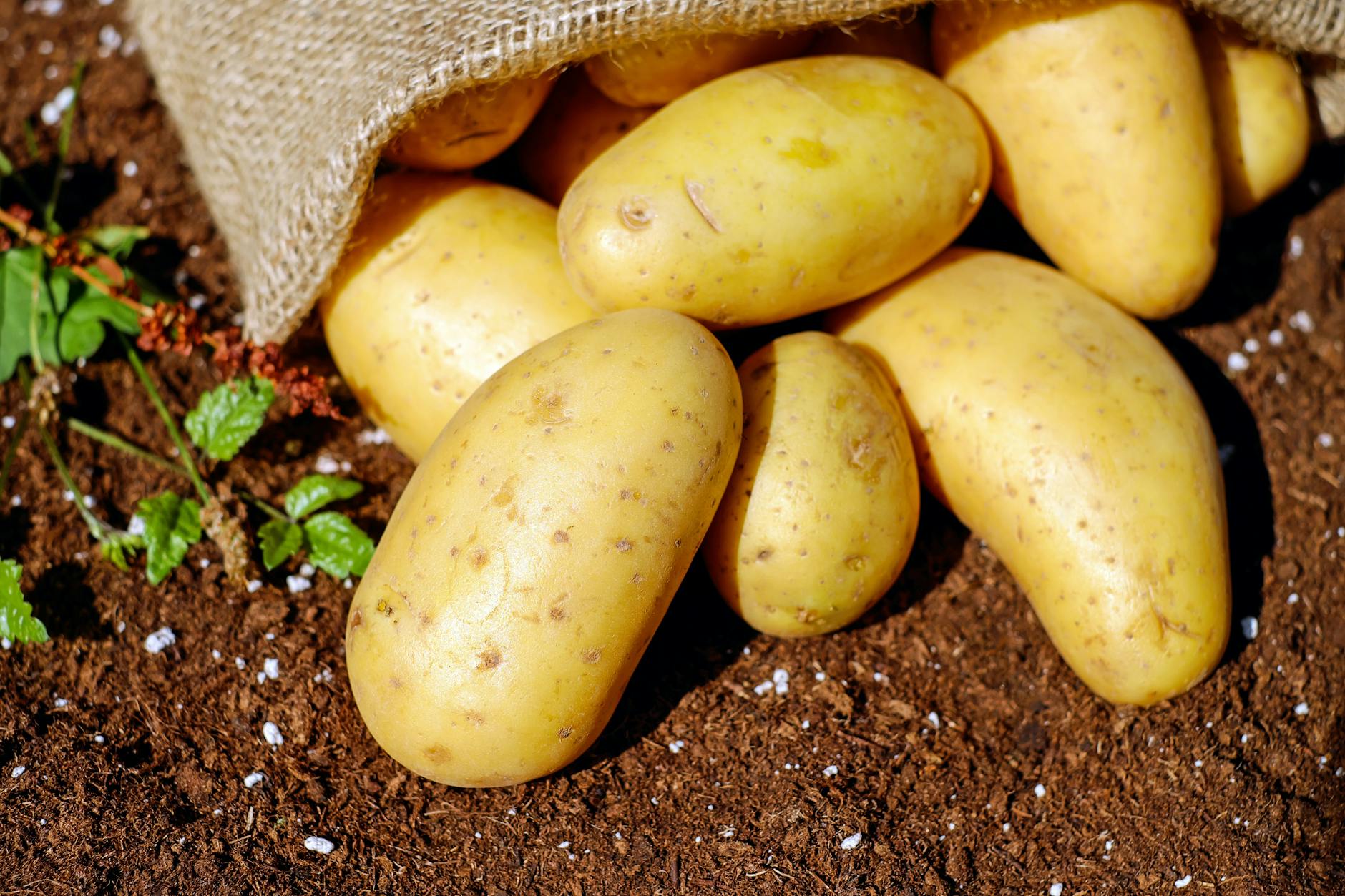
Potatoes: Prefer firm-fleshed varieties like Charlotte or Amandine. Cook them with the skin on!
-
03.
Bacon bits (Lardons): Avoid supermarket packs. Get smoked pork belly from your artisan butcher and cut generous slices.
-
04.
Onions: A slow compote is crucial. Deglaze them with a dash of Savoie Wine (Apremont or Abymes).
Step-by-Step Method
Start by cooking your potatoes in water or steam (about 20 minutes). Let them cool before peeling and cutting them into thick slices. Meanwhile, brown your bacon bits without fat, then add the sliced onions until they are translucent and melting.
Chef's tip: rub your gratin dish with a clove of garlic before placing half of the potatoes. Add the onion-bacon mixture, then the rest of the potatoes. Generously top with high-quality thick crème fraîche.
The crucial moment: cut your Reblochon in half through its thickness. Place the two halves on top, rind side up. It is the rind that will gratinate and bring that very special smoky taste. Bake at 200°C for 20 to 30 minutes. The cheese should bubble and form a golden crust.
Savoyard Feast Simulator
How many guests? We calculate the exact quantities for you to avoid waste (or starvation!).
Click on a mode to see the required ingredients...
Savoyard Fondue: A Matter of Balance
"Fondue does not wait for the guests; the guests wait for the fondue."
The secret of a successful fondue lies in the blend of cheeses. You never use just one cheese! The golden rule is the mixture of textures and aging. To learn more about the ideal cheeses, visit our dedicated page on essential Savoyard cheeses.
Beaufort
The prince of the alpine pastures, brings structure and a nutty taste.
Abondance
Brings creaminess and a touch of noble bitterness.
Emmental
For the legendary stretchiness of the preparation.
Comté
An "old" Comté brings power and character.
The ritual is just as important as the taste. Rub the pot (caquelon) with garlic, heat the dry white wine (ideally a Jacquère) until simmering, then toss in the cubed cheese (never grated if you want to avoid lumps!). Stir in a figure-eight pattern with a wooden spoon.
💡 Anti-Disaster Tip:
If your fondue separates (the fat separates from the cheese), dissolve a teaspoon of cornstarch in a small amount of cold white wine and pour into the boiling mixture while whisking vigorously. Magic!

Bread: The Forgotten Actor
A two-day-old rustic loaf is ideal. Too fresh, it will get lost in the pot. Too hard, it will be unpleasant.
The penalty rule:
Anyone who loses their piece of bread in the pot must fulfill a traditional penalty. In Savoie, it is often said they must buy a bottle of Savoie Wine for the table!
Comparative Table of Specialties
| Characteristic | Tartiflette | Savoyard Fondue | Croziflette |
|---|---|---|---|
| Starch Base | Potatoes | Stale bread | Crozets (Buckwheat) |
| Key Cheese | Reblochon (100%) | Beaufort, Abondance, Emmental | Reblochon |
| Preparation Time | ~ 60 min | ~ 30 min | ~ 45 min |
| Conviviality Rating | ⭐⭐⭐⭐ | ⭐⭐⭐⭐⭐ | ⭐⭐⭐⭐ |
| Difficulty Level | Medium | Difficult (watch the binding) | Easy |
Are you a beginner? Start with our easy Savoyard recipes for beginners.
"Tartiflette is the embrace of the mountain on a plate. A dish that warms not only the body but also the bonds between guests."
Frequently Asked Questions about Tartiflette and Fondue
Can you freeze a tartiflette? ▼
It is possible, but not recommended. Potatoes cooked in water change texture when thawed, and Reblochon can lose its creaminess. It is better to enjoy it fresh or keep it for 2-3 days in the refrigerator.
Which wine to serve with a fondue? ▼
A dry and crisp white wine from the region is imperative. Opt for a Roussette de Savoie or an Apremont. Avoid tannic red wines which would pair poorly with the fat of the cheese.
Should you remove the Reblochon rind? ▼
ABSOLUTELY NOT! The rind is the soul of the tartiflette. It brings flavor, color, and texture. Simply scrape it lightly if it seems too strong, but do not remove it.
How to prevent fondue from being too liquid? ▼
Make sure to follow the dosages (about 200ml of wine for 1kg of cheese) and don't forget to add a little diluted cornstarch at the end of cooking if necessary.
Which potato variety to choose? ▼
Charlotte is the queen. It holds up perfectly during cooking and absorbs the melted cheese well without turning into mash.
How much cheese per person for a fondue? ▼
Allow an average of 200 to 250g of cheese per person. For big eaters or after a day of hiking, you can go up to 300g.
Can you make a tartiflette without white wine? ▼
Yes, the wine is used to deglaze the onions and provide acidity. You can replace it with a bit of vegetable broth or a dash of cider vinegar to maintain this balance.
What is "Péla"? ▼
It is the ancestor of tartiflette. It was cooked in a long-handled pan (the péla). The ingredients are identical, but it didn't go in the oven to gratinate.
Why rub the dish with garlic? ▼
Garlic brings a subtle fragrance that spreads through the dish without being overpowering. It is an essential olfactory signature of Savoyard cuisine.
Where to buy the best Reblochon? ▼
Favor local "fruitières" (dairies) or markets in Haute-Savoie. Look for the green seal (farm-made). For more addresses, consult our guide where to find local products.
To go further: Our Recommended Resources
Tartiflette - the real recipe for 3 gourmands
A precise guide for small gatherings.
The real tartiflette: the convivial dish
Tips for the weekend.
Tartiflette Recipe: Marmiton
The community classic rated by thousands of cooks.
Savoyard tartiflette: the real recipe
Focus on the exceptional melting of the cheese.
Tartiflette: Gastronomic Vision
The high cuisine approach to a popular dish.
The Winter Trio
Comparison and tips for the three pillars of cheese.
Ready to start cooking?
Join our community of enthusiasts and receive an exclusive recipe, producer tips, and the dates of gastronomic festivals every month.
Or contact us with any questions: Contact form