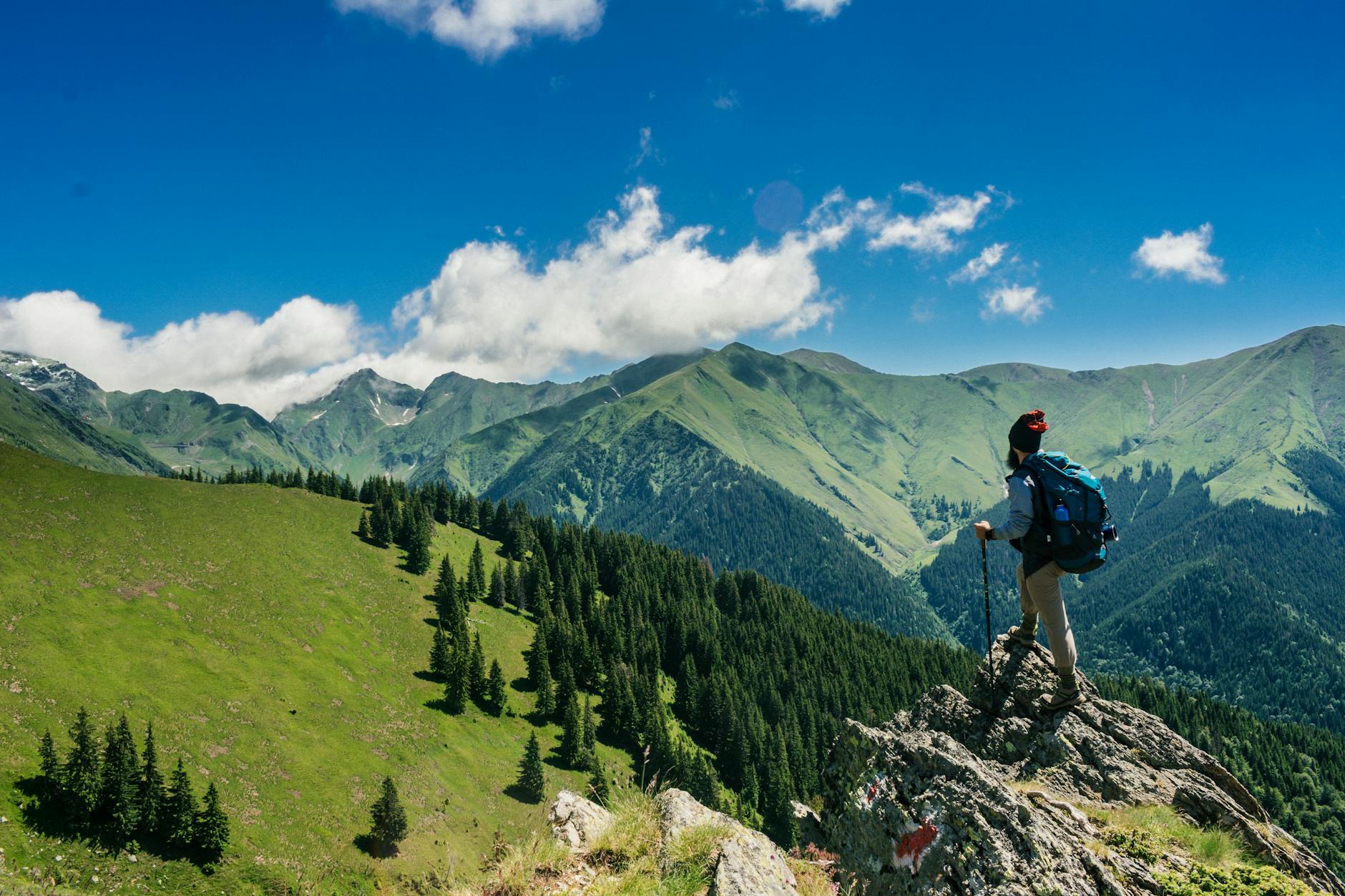
Savoy Mountains
Heritage & Terroir

The Culinary Epic
of the Savoy Region

As 2026 begins, dive into the deep roots of a gastronomy shaped by altitude, climate, and peasant genius. A story of survival turned into an art of living.

More than a cuisine, a resilience

The history of Savoyard gastronomy was not born in palaces, but in the humble hearths of mountain chalets. Until the mid-20th century, Savoy was a region marked by almost total self-sufficiency. Long and harsh winters imposed strict management of resources.

Every ingredient had a reason for being: milk, transformed into aged cheeses, allowed proteins to be preserved for six months. Buckwheat and rye, the only grains capable of resisting frost, formed the base of starches.

"In Savoy, we didn't cook for pleasure; we cooked to make it through until spring." — Memoirs of a shepherd, 1892.
Old Savoyard chalet

The Four Pillars of Heritage

White Gold: Cheese

From Beaufort to Reblochon, discover how cheese-making became the backbone of the mountain economy since the Middle Ages.

Savoy Cheese

The Grain of Survival

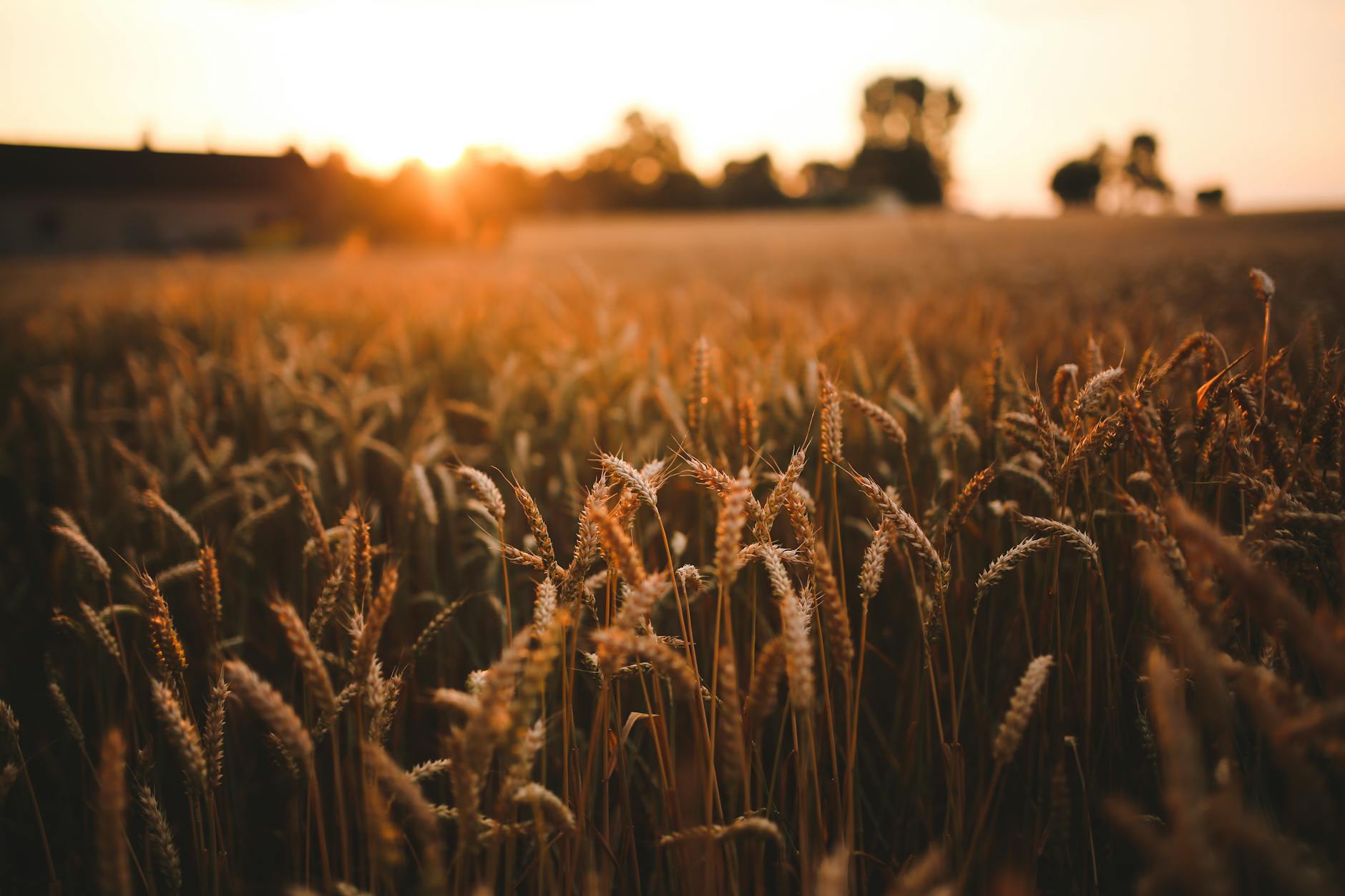
Buckwheat, or "black wheat," allowed generations to be fed where soft wheat failed. It is the ancestor of the famous crozets.

1650
First mention of Buckwheat in Tarentaise

Preservation

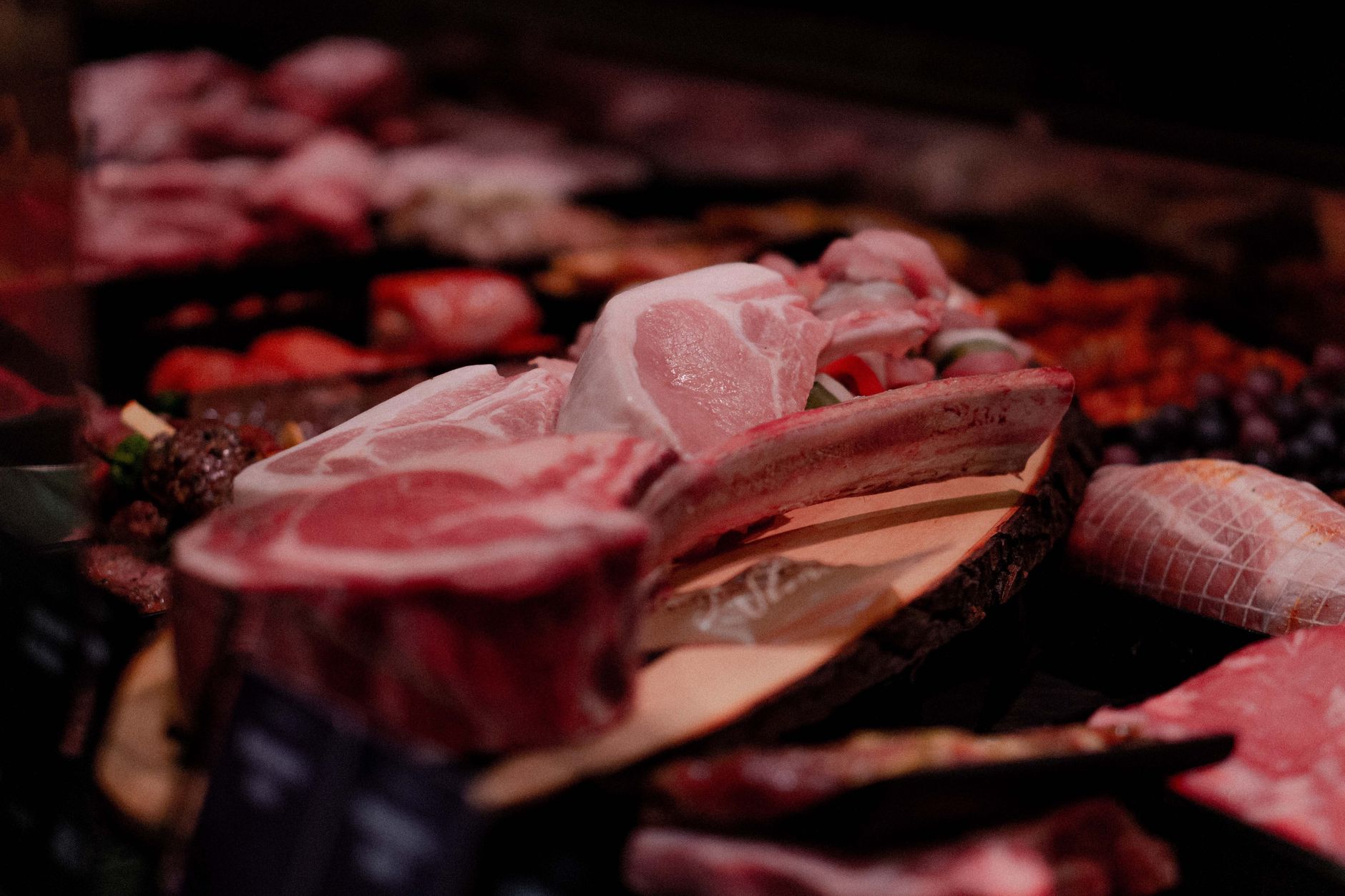
Smoking and salting meats, techniques inherited from the Romans to preserve pork.

Savoyard charcuterie
Savoy Wines

High Altitude Vineyards

"A hard wine for rugged men."

Discover the history of Mondeuse and Chignin-Bergeron in our section dedicated to local drinks.

Did you know?

Tartiflette: Genius Marketing or Ancient Tradition?

It is often surprising for food lovers to learn that Tartiflette, as we know it in 2026, has officially existed for no more than fifty years. Unlike fondue, its history is closely linked to an economic recovery strategy by Reblochon producers in the 1980s.

However, it was not born from nothing. It is directly inspired by Pela, an ancestral dish from the Aravis mountains. Pela (named after the long-handled frying pan in which it was cooked) consisted of a mixture of potatoes, onions, and leftover cheese, sautéed over the fireplace.

The name "Tartiflette" comes from the Savoyard term for potato: tartifla. This dish perfectly embodies Savoy's transition from a rural economy to a tourism economy, where local codes were reinvented to appeal to the first skiers. To succeed with yours, don't forget to check our traditional cooking techniques.
Savoyard Banquet Simulator

Select an era to discover what was on your ancestors' table.

Dominant ingredients:

Explore the evolution of flavors through the ages.

Today's Menu

Wheat

Fondue: Between Myth and Reality

While fondue is today the symbol of mountain sharing, its origin is disputed. The writings of Brillat-Savarin, a famous gastronome born in Belley (Ain) in 1755, already mention a preparation based on cheese and eggs.

Originally, it was a dish for wealthy peasants: one had to own enough cheese and white bread to feed an entire table. It was only with the rise of winter tourism that the "Savoyard" version (three cheeses: Beaufort, Comté, Savoy Emmental) established itself as a standard of excellence.

  • The secret of the pot: Why rub a clove of garlic? For digestion and fragrance.

  • The Nun (La Religieuse): The name given to the toasted cheese crust at the bottom of the dish.

Savoyard Fondue

The Culinary Renewal of 2026

Today, in 2026, Savoyard cuisine is undergoing a true revolution. Far from the cliché of heavy and fatty dishes, a new generation of chefs is reinterpreting local products with surprising lightness. The return to wild mountain herbs (yarrow, wild garlic, wild thyme) brings an unprecedented finesse to the classics.

Short supply chains have become the norm. People no longer seek to eat strawberries in winter in Courchevel, but rediscover the pleasure of forgotten roots like parsnips or Jerusalem artichokes, traditionally preserved in sand.

The preservation of local breeds like Tarine or Abondance cows ensures exceptional milk quality, guaranteeing the PDO (Protected Designation of Origin) label which protects our heritage against industrialization.

Get involved!

Supporting our producers means preserving our mountain landscapes. Check out our guide to local producers to learn more.

Historical Frequently Asked Questions

Why is so much cheese eaten in Savoy? +

It was the best way to preserve milk. In a mountain economy where travel was limited, transforming milk into large wheels of cheese allowed proteins to be stored for the whole winter and the production to be easily transported for sale in the valley.

What is the origin of Crozets? +

They date back to the 17th century. They are small square pasta shapes, originally prepared with buckwheat flour. Their square shape made it easier to dry and store in canvas bags during seasonal migration (transhumance).

Has the potato always been present? +

No, it only arrived massively on Savoyard plates in the 19th century. Before that, residents consumed a great deal of turnips, cabbage, and high-altitude cereals.

What is the difference between Savoy and Haute-Savoie in cuisine? +

The bases are common, but certain products are localized: Reblochon is typically from Haute-Savoie (Thônes), while Beaufort is the king of Savoy (Tarentaise, Beaufortain). To find out more, check our map of specialties.

What is Farçon or Farri? +

It is a traditional sweet and savory dish made from grated potatoes, bacon, prunes, and raisins. It was the typical Sunday morning dish, set to cook before leaving for mass.

Ready to taste history?

Now that you know the roots of our dishes, it's time to step behind the stove or discover the best tables in the region.