
Your Questions, Our Gourmet Answers
Dive into the heart of Savoyard gastronomy secrets. From the medieval history of the Duchy to Grandma Josette's tips, we reveal Alpine traditions in 2026.
A Gastronomy Shaped by Peaks and History
In 2026, Savoyard cuisine remains a pillar of French Alpine identity. More than a simple accumulation of high-calorie recipes, it is the faithful reflection of a thousand-year-old adaptation to a demanding environment. The medieval history of the Duchy of Savoy has left indelible traces, blending Italian, Swiss, and French influences along transalpine trade routes.
Monasteries, guardians of cheese-making expertise, domesticated the high pastures to create treasures like Beaufort or Reblochon. This local cuisine, once dictated by the necessity of preserving food during long winters, is today a celebration of conviviality. To learn more about this epic journey, consult our History of Savoyard Dishes.


The Fundamentals of the Region
The Art of Raw Milk Cheese
Inseparable from Savoie, PDO/PGI cheeses like Tomme, Reblochon, and Abondance are the result of preserved pastoralism. They form the basis of almost all our emblematic dishes.
Discover the Cheeses
30+
Varieties of Artisanal Cured Meats
2026
The Year of Sustainable Gastronomy
Wines & Pairings
Chignin-Bergeron, Mondeuse, or Roussette... The role of wine goes beyond accompaniment to enhance the dish.
See the selection →The Oral Tradition
"A cuisine passed down from generation to generation, like a well-kept family secret."

Frequently Asked Questions
Everything you've always wanted to know about our mountain cuisine.
The Ideal Tartiflette Simulator
Are you hosting guests and afraid of running out of cheese? Use our exclusive calculator based on the ancestral recipe of Grandma Josette. Adjust the number of guests to get the exact proportions in real-time.
Shopping List
- Potatoes (Amandine type) 1.2 kg
- Farmhouse Reblochon (PDO) 1.0 unit
- Artisanal smoked bacon bits 200 g
- Yellow onions 2 units
- Thick double cream 20 cl
Grandma Josette's Tartiflette: A Living Heritage
Transmission is the beating heart of Savoyard cuisine. Grandma Josette's recipe, which we cherish so much, is not just a culinary instruction manual; it's a time capsule. It reminds us of the importance of patience: browning the onions slowly, choosing a well-"done" Reblochon, and above all, letting the dish rest for 10 minutes before serving so that the flavors can merge. To learn more, discover the story of Grandma Josette's Savoyard tartiflette.
The Art of Presentation
In Savoie, we eat with our eyes first. Serve your tartiflette in a terracotta dish (the famous gratin dish) that retains heat. A pinch of ground pepper and a few sprigs of flat-leaf parsley provide the final touch. The contrast between the golden melted cheese and the greenery is an irresistible call to indulgence.
Innovation in 2026
Today, we see the appearance of individual "Tartiflette Baskets" for mountain picnics, and even vegetarian versions using smoked wild mushrooms to replace the bacon bits. Tradition evolves, but the soul remains the same: sharing around local products.
Which cheese for which use?
Choosing the right ally for your culinary creations.
| Cheese | Characteristic | Ideal Dish | Expert Tip |
|---|---|---|---|
| Beaufort PDO | Cooked pressed paste, fruity | Fondue, Appetizer | Prefer the "Chalet d'Alpage" for more aromas. |
| Farmhouse Reblochon | Soft paste, creamy | Tartiflette, Croziflette | Look for the green casein tab on the rind. |
| Tomme de Savoie | Grey rind, rustic | Cheese board, Sandwich | Pairs wonderfully with rosehip jam. |
| Abondance PDO | Pressed paste, nutty flavor | Berthoud | The star cheese of the Chablais region. |
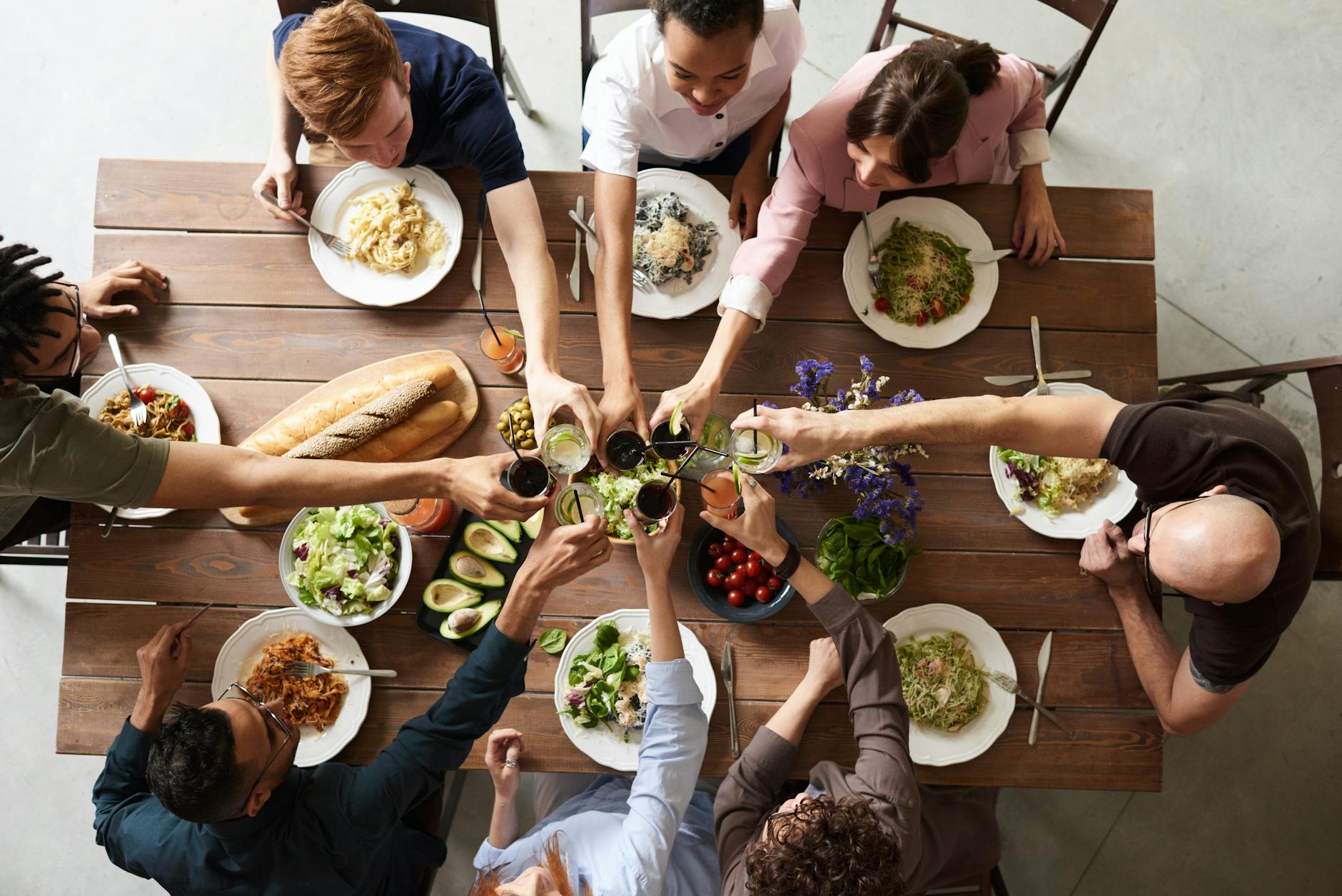
Immortalize Your Gourmet Moments
Discover our photo gallery dedicated to traditions and smiles around a good Savoyard table.
View the GalleryGoing further: Cuisine of lakes and alpine pastures
Savoie is not just about cheese. It is also a land of fresh water. Lakes Bourget, Annecy, and Geneva offer incredible fish diversity. Féra and Arctic Char are noble fish that require delicate preparation, often accompanied by sauces with Savoy white wine or white butter with mountain herbs. This facet of gastronomy shows that the region knows how to combine the robustness of the peaks with lakeside finesse.
Wild plants also play a crucial role. Wild garlic in spring, genepi for end-of-meal liqueurs, or gentian. These ingredients bring a bitterness and a wild character that balance the richness of fatty dishes. Learning to use these herbs is one of the most popular Savoyard Cooking Tips and Techniques among modern chefs.
Finally, let's not forget the Diots. These pork sausages, often cooked in white wine and onions (Diots in white wine), are the symbol of Savoyard charcuterie. They are traditionally enjoyed with a creamy polenta or crozets, those small square buckwheat pasta. It is a cuisine of patience, where simmering is king. To find the best producers, visit Savoyard Local Products: Where to Find Them?.
A question still unanswered?
Our team of enthusiasts and local experts is at your service to guide you.