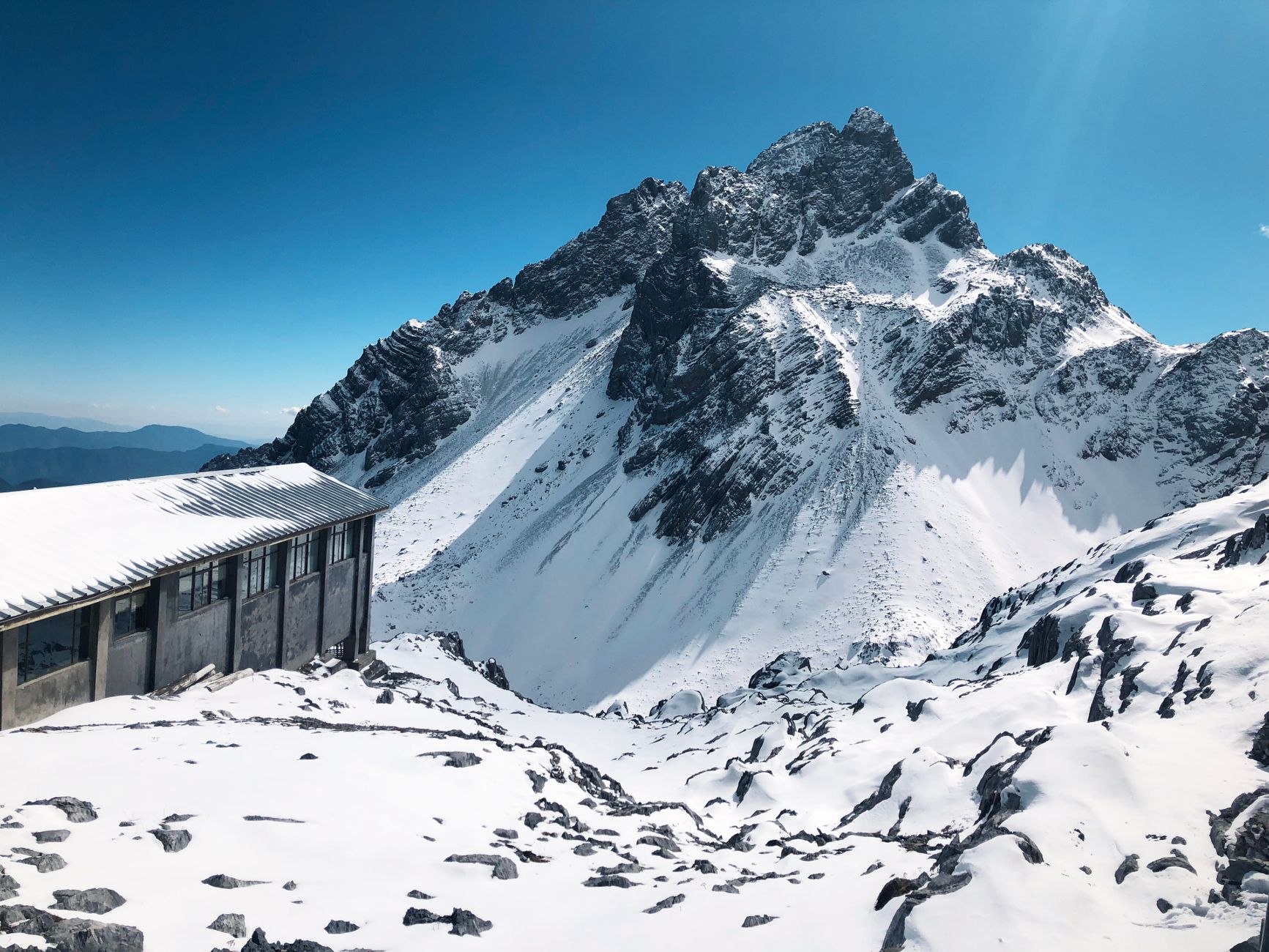
Traditional Savoyard Recipes
Dive into the culinary heritage of the French Alps. A sensory exploration between melting cheeses, artisanal charcuterie, and sweet treats born in the heart of the peaks.
A Gastronomy Shaped by the Mountains
The cuisine of Savoie and Haute-Savoie is more than just high-calorie dishes to face the winter. It is a story of resilience, ingenuity, and profound respect for a demanding land. In 2026, as we rediscover the importance of local and sustainable cooking, Savoyard recipes stand out as a model of circular gastronomy.
Historically, each valley had its own secrets. Families lived in self-sufficiency during the long months of snow, using what the land offered: cow's milk (Abondance, Tarine), buckwheat for pasta, potatoes, and cured meats. To understand the soul of these dishes, it is essential to explore the History of Savoyard Dishes, which reveals how rural poverty gave birth to one of the most generous cuisines in the world.
Today, this tradition lives on thanks to passionate producers you can meet by following our Gastronomic Mountain Walks. Welcome to this culinary journey where every bite tells a story of summits and sharing.
The Essentials of our Region
Authentic Tartiflette
Melted Reblochon on a bed of potatoes, onions, and bacon bits. A comforting classic born in the Aravis massif.
View the recipe →
Croziflette & Crozets
These small square pasta shapes, often made with buckwheat, are the soul of the Tarentaise. To be cooked as a gratin or risotto-style.

Savoyard Fondue
Beaufort, Comté, Emmental. The sacred trio for unparalleled creaminess.
- 1/3 Beaufort
- 1/3 Abondance
- 1/3 Savoy Emmental
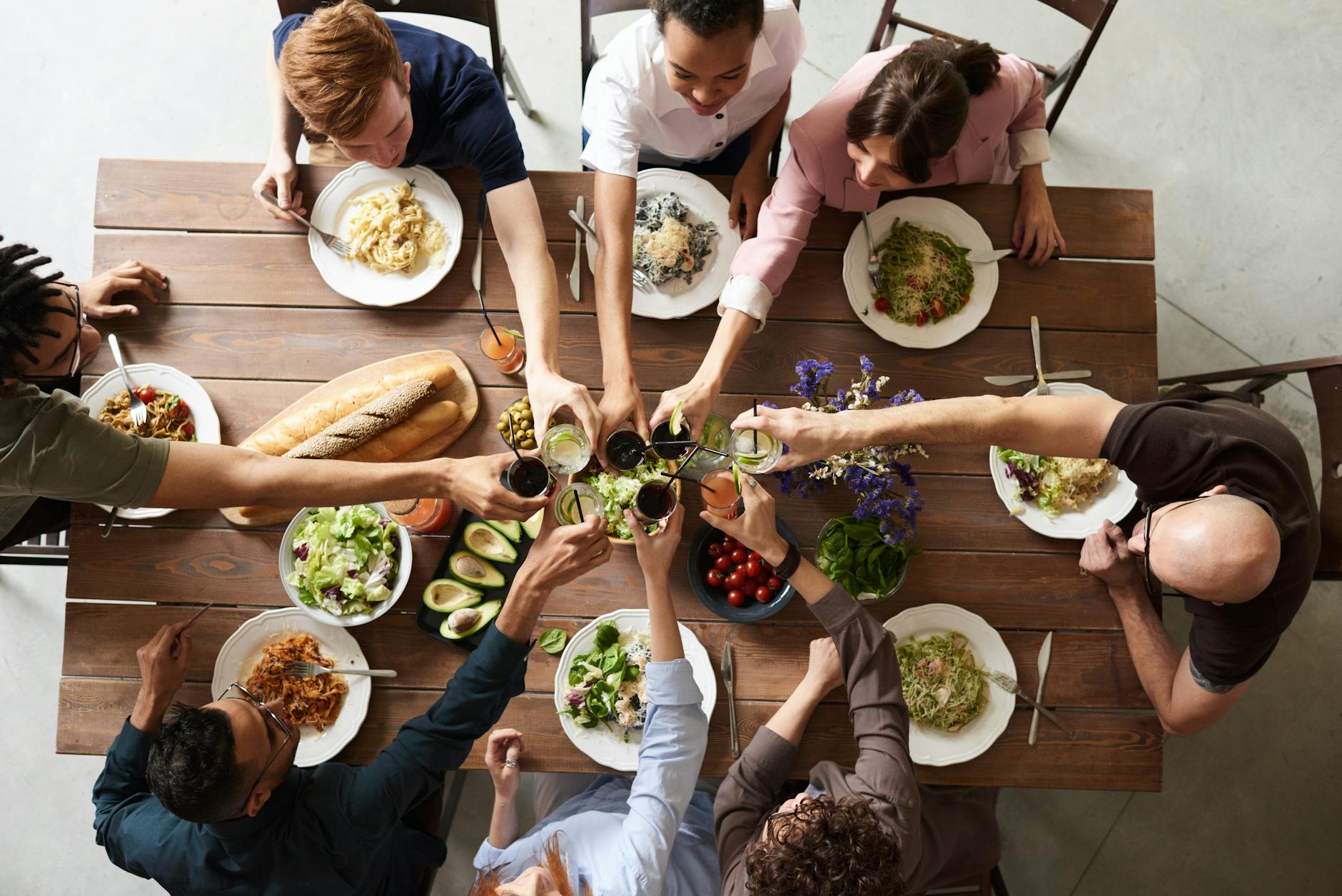
Diots in White Wine
Pork sausages simmered with onions and a dry white wine from Savoie, such as Apremont.
Wine PairingsSavoyard Sponge Cake
An airy lightness dating back to the 14th century. Without butter, it pairs wonderfully with tea or custard.
Beginner's recipe
The Savoyard Table Calculator
How much cheese for your fondue? How many potatoes for your raclette? Don't let chance ruin your evening. Our simulator calculates the ideal portions based on your guests.
Enter the number of adults and children.
Choose your main course.
Get your exact shopping list!

"In Savoie, we don't cook with fat, we cook with love... and plenty of cheese." - Local saying.
Quality Above All
To succeed in your recipes, there is no secret: the raw product must be irreproachable. You cannot make a fondue worthy of the name with pre-grated supermarket cheese. For this, we strongly advise you to consult our guide on Essential Savoyard Cheeses.
The choice of bread for the fondue is just as crucial. A two-day-old farmhouse bread, with a firm crust, will prevent you from "losing your piece of bread" at the bottom of the pot. Did you know that tradition dictates that whoever loses their bread receives a penalty?
Finally, don't forget the pairings. A white Savoie wine (Apremont, Abymes, Chignin-Bergeron) is essential. The freshness of these wines balances the richness of the cheese. More info on our page Wines and Drinks of Savoie.
Frequently Asked Questions about Savoyard Cuisine
Which cheese should I use for a real Savoyard fondue?
Why rub the fondue pot with garlic?
What is the difference between Tartiflette and Croziflette?
Can raclette cheese be frozen?
Which wine to serve with a tartiflette?
How to prevent the fondue from being too elastic?
What is Farçon?
Where can I find the best products?
Can diots be eaten cold?
What is the lightest Savoyard dessert?
Ready to get cooking?
Whether you are a mountain expert or a curious beginner, Savoyard cuisine welcomes you with open arms. Discover all our tips to transform your kitchen into a real alpine chalet.