
Wines and
Elixirs of Savoie
Plunge into the fascinating world of high-altitude crus, where the elegance of Jacquère meets the power of Mondeuse under the eternal gaze of snow-capped peaks.
An Identity Forged by the Summits
In this year 2026, Savoyard viticulture has never been more radiant. Far from the outdated image of "little ski wines," Savoie crus have established themselves on the world's greatest gastronomic tables. This renaissance is the result of a perfect symbiosis between a millenary heritage and a bold adaptation to contemporary climate challenges.
The Savoie vineyard, although modest in size (around 2,100 hectares), is a giant in its diversity. It stretches across four departments — Savoie, Haute-Savoie, Isère, and Ain — drawing a mosaic of terroirs suspended between lakes and mountains. Here, the vine doesn't just grow; it climbs. It clings to limestone scree, flourishes on glacial moraines, and draws its minerality from ancient schists.
It is this verticality that defines the soul of Savoyard drinks. The influence of the Alps, with its harsh winters and summers tempered by the proximity of Lake Bourget or Lake Geneva, imposes a slow maturation rhythm. The grapes thus retain a crystalline acidity and aromatic freshness that are the unique signature of our cuvées.

From the Roman Empire to AOC Excellence
The Allobroges Heritage
Long before the massive arrival of the Romans, the Gaulish people of the Allobroges already cultivated the "Vitis Allobrogica," a cold-resistant grape variety that is the likely ancestor of today's Mondeuse. Pliny the Elder himself praised the merits of these wines capable of withstanding the harshest mountain climates.
The Role of Building Monks
As in many regions of France, monastic orders (Cistercians and Benedictines) structured the vineyard. They selected the best hillside exposures, notably on the steep slopes of the Combe de Savoie, laying the foundations for the "crus" we know today.
Official Recognition
September 4, 1973, marked a historic turning point with the creation of the Appellation d'Origine Contrôlée (AOC) "Vin de Savoie." This crucial step allowed for the harmonization of production practices, guaranteed quality to consumers, and protected the use of indigenous grape varieties against international standardization.
The Era of Sustainable Viticulture
Today, more than 60% of the Savoyard vineyard is committed to environmental certifications (Organic, Biodynamic, HVE). Winemakers are rediscovering forgotten grape varieties like Persan or Douce Noire, offering unprecedented taste diversity.
Grape Varieties: The Soul of the Vineyard
Jacquère
It is the most iconic grape variety in the region. Occupying nearly 50% of the planted surfaces, it gives birth to light, lively, and mineral white wines. Its aromas of white flowers and flint are inseparable from moments shared over a Savoyard fondue.
Mondeuse
A noble and powerful grape variety that offers wines with notes of black pepper, violet, and red berries. Its tannic structure allows for exceptional aging potential.

Altesse (Roussette)
Producing the famous "Roussette de Savoie," this grape variety offers rich, complex wines with notes of honey, almond, and roasted hazelnut. A gastronomic wine par excellence.
Bergeron (Roussanne)
Cultivated exclusively on the scree of the Bauges massif, it produces a smooth wine with powerful aromas of apricot and quince. The summit of Savoyard refinement.
But also...
- Chasselas (Lake Geneva)
- Gamay & Pinot Noir
- Persan (Forgotten grape variety)
The Savoyard Virtual Sommelier
Select your dish to discover the perfect pairing recommended by our experts.
Pairing results will be displayed here...
A Range of Sensations
Savoie is not just one type of wine. It is a symphony in four colors, each responding to a specific moment of tasting or a specific terroir characteristic.
Whites: Freshness and Minerality
They represent 70% of production. Ranging from very dry and sparkling (Apremont) to more smooth and aromatic (Chignin-Bergeron), they are the pillar of Alpine gastronomy.
Reds: Character and Spices
Often overlooked, Savoyard reds have an assertive personality. Mondeuse offers unique peppery notes, while Pinot Noir and Gamay play on the finesse of the fruit.
Rosés: Summer Gourmandise
Produced in small quantities, often from Gamay or Mondeuse, they are lively, fruity, and perfect for high-altitude picnics by the lakes.
Sparkling: Crémant de Savoie
Made according to the traditional method, these sparkling wines celebrate the finesse of bubbles combined with the natural acidity of local grape varieties (Jacquère, Altesse).

Sublimating the Savoyard Table
The Marriage of Cheeses
The fat and salt of Savoyard cheeses (Reblochon, Beaufort, Tome) call for the vivacity of a white. An Apremont or an Abymes will contrast perfectly with the creaminess of a raclette.

Shadow and Light
For our lake fish (Fera, Arctic Char, Trout), opt for the nobility of a Roussette de Savoie or a Chignin-Bergeron. Their complex structure will respect the delicacy of the flesh.
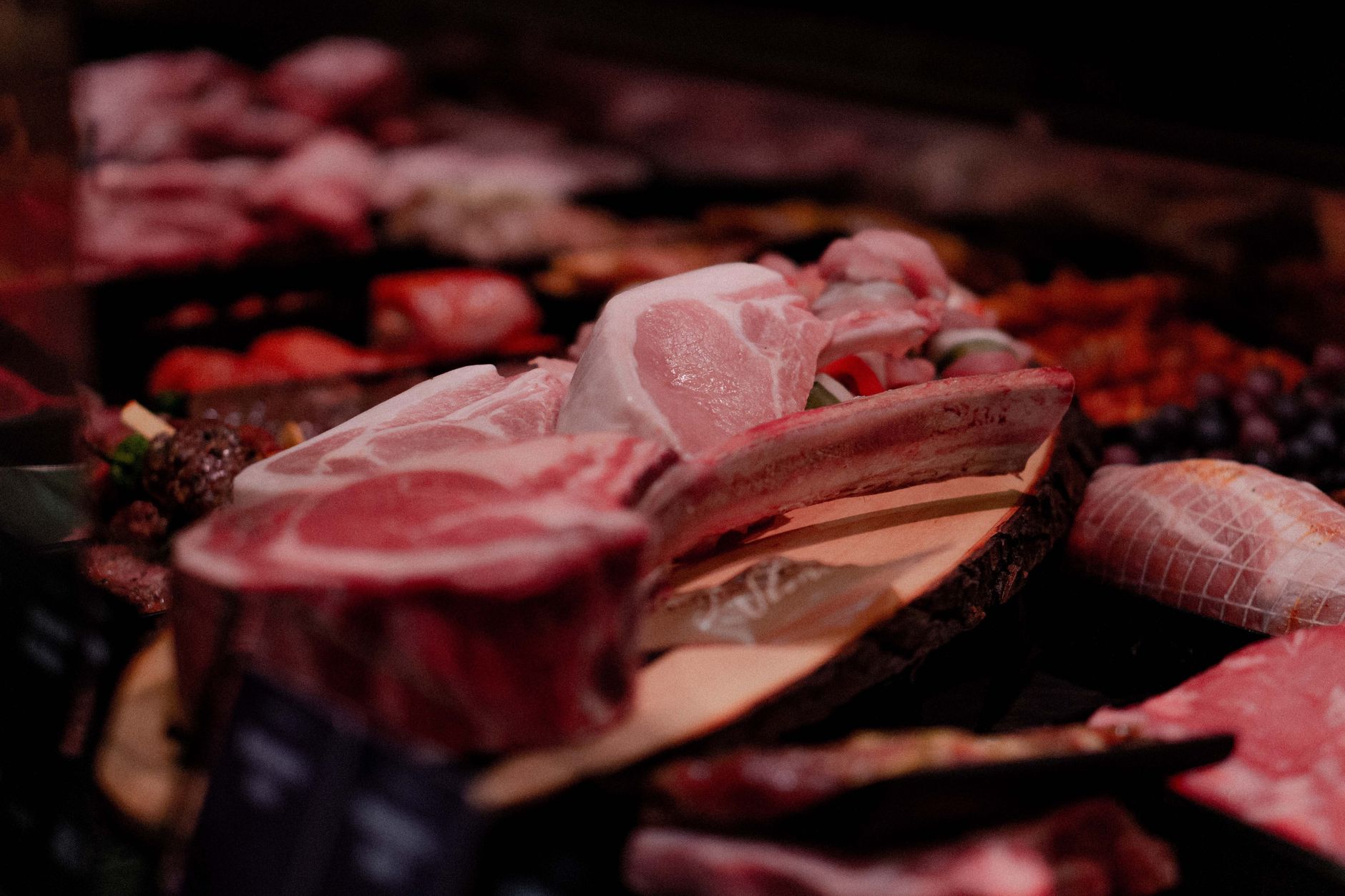
Hunting and Meats
Sauce dishes or autumn game require presence. A Mondeuse d'Arbin, with its firm tannins and peppery notes, will be the ideal companion to these powerful flavors.
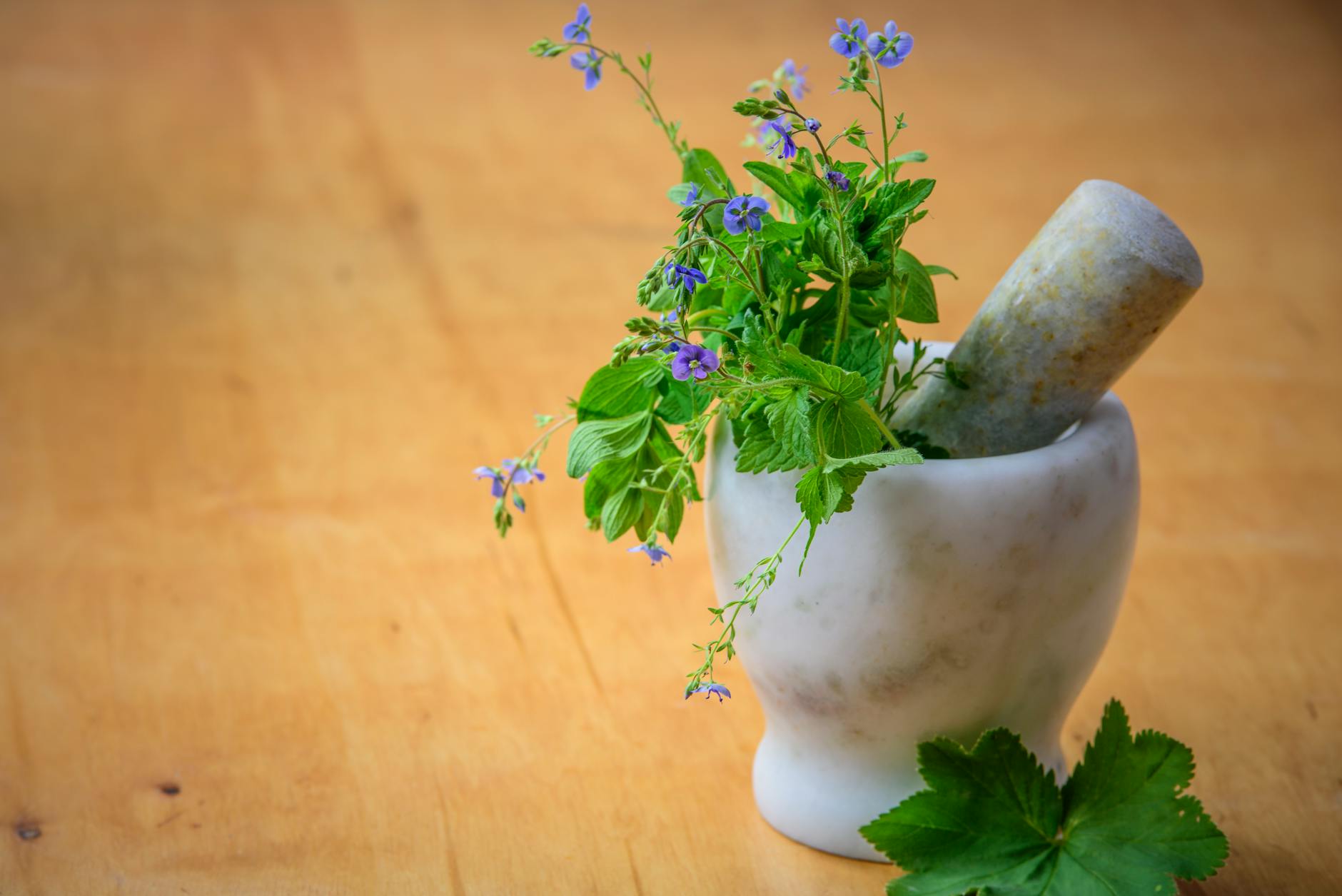
Beyond Wine: The Elixirs of the Alpages
Génépi
The green gold of the mountains. This liqueur obtained by macerating the eponymous plant harvested at high altitude (over 2,000m) is the essential digestif for evenings by the fire.
Gentian
Derived from the roots of the Great Yellow Gentian, these eaux-de-vie and liqueurs offer a refreshing bitterness, perfect for opening the appetite as an aperitif.
Chartreuse
Although produced in neighboring Isère, it is inseparable from Savoyard heritage. Its secret, held by monks, hides more than 130 medicinal plants.
Craft Beers
For a decade, Savoyard craft breweries have flourished, using pure glacier water to create characterful beers, often flavored with fir buds.
The Art of Serving Savoie
The Right Temperature
Whites and Crémants: 8-10°C
Mondeuse: 14-16°C
Pinot Noir and Gamay: 12-14°C
The Suitable Glass
Prefer a "Tulip" glass that is narrow at the top to concentrate the delicate floral aromas of Savoyard whites.
Aging Potential
Jacquère Whites: 1-3 years
Roussette and Mondeuse: 5-10 years
Chignin-Bergeron: Up to 15 years
Frequently Asked Questions
What is a "perlant" wine? ▼
"Perlant" refers to a very slight natural effervescence due to carbon dioxide retained during bottling. It is typical of certain Jacquère wines like Apremont, bringing incomparable freshness.
Can you find organic Savoie wines? ▼
Absolutely! In 2026, Savoie is one of the French regions with the strongest progression of certified Organic and Demeter estates. The mountain climate naturally helps limit certain parasites.
What is the difference between Roussette and Altesse? ▼
Altesse is the name of the grape variety, while "Roussette de Savoie" is the Appellation d'Origine Contrôlée (AOC). It is called Roussette because its berries turn reddish-brown (rousse) at full maturity.
Why do Savoie bottles have a particular shape? ▼
The traditional bottle, called "Savoie" or shoulder flute, is more slender than a Bordeaux bottle. It recalls the region's Alpine and Germanic roots.
Where to taste the best crus? ▼
Consult our Restaurants and Gourmet Addresses page to discover the best cellars and estates open to the public.
Is Mondeuse a wine for aging? ▼
Yes, indeed. A fine terroir Mondeuse (like Arbin or Saint-Jean-de-la-Porte) can improve for 10 to 15 years in the cellar, developing notes of undergrowth and leather.
Which wine to serve with a tartiflette? ▼
A dry and lively white is ideal for balancing the fat of the reblochon. An Apremont or a Vin de Savoie Chignin will do the job perfectly.
Are Savoie wines exported? ▼
Yes, increasingly to the United States, Japan, and Scandinavian countries, which appreciate the freshness and low natural alcohol content of these mountain wines.
Ready to Taste Authenticity?
Pair these exceptional wines with our traditional recipes for a complete Savoyard experience.