
The Art of Living at the Rhythm of the Earth
Discover how Savoyard gastronomy reinvents itself through the respect of natural cycles and the promotion of local terroirs.
Why choose local in 2026?
In this year 2026, food consciousness has reached a decisive turning point. Consuming local is no longer just a militant act; it's a quest for meaning, health, and the preservation of our fragile mountain environment. Adopting products from our Savoyard valleys means engaging in a sustainable nutrition approach.
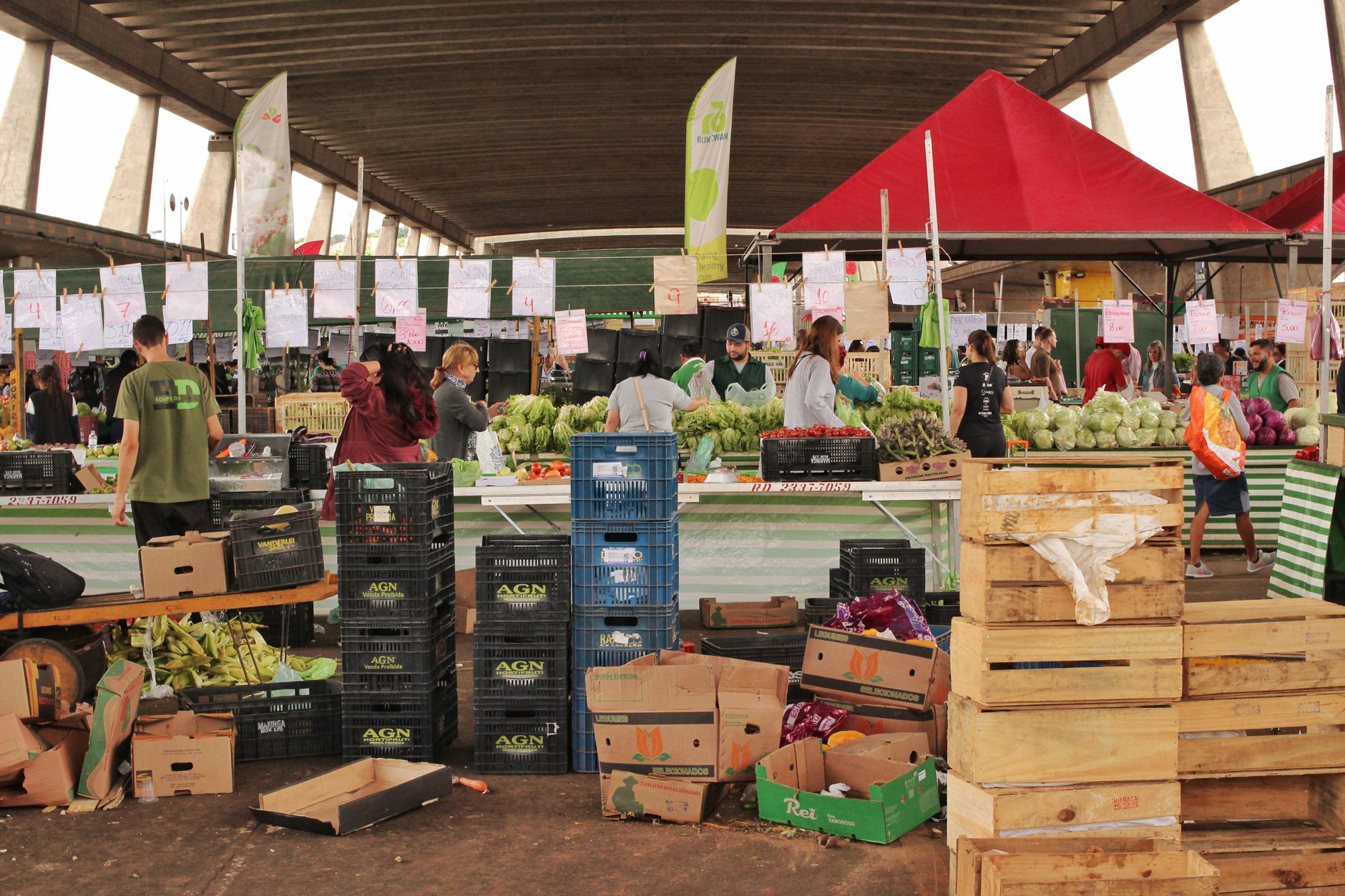
The benefit is threefold. First, for your body: a vegetable harvested at maturity that very morning in the Combe de Savoie retains all its micronutrients. Second, for the environment: by limiting transport, we preserve the purity of the air in our massifs. Finally, for our social fabric: supporting a Beaufort producer or a market gardener from Chautagne ensures the survival of the savoir-faire that is the soul of our region.
Diving into the seasonal calendar also means rediscovering the pleasure of waiting. That gastronomic thrill when the first asparagus points up in April or when porcini mushrooms scent the undergrowth in autumn. It is this authenticity that we celebrate in our Complete Guide to Traditional Savoyard Gastronomy.
Our Terroirs' Calendar
Explore the richness of Savoy month after month. Each season dictates its culinary law for our greatest pleasure.
The Spring Renewal
The time for wild asparagus, dandelion salad, and the return of herds to the mid-altitude pastures. It's the ideal season for light recipes before summer.
- • Fresh onions and wild garlic
- • Spring Tomme de Savoie
- • New leeks from the plain

Summer Abundance
Mountain raspberries, wild blueberries, and the famous alpine cheeses like Summer Beaufort. Cuisine becomes an explosion of colors.
Earth and Gold
Mushrooms, Grenoble walnuts, squashes, and game. Flavors intensify to prepare for winter.
The Comfort
The reign of the potato, melted Reblochon, and crozets. It's time for conviviality.
Simulator: My Plate's Footprint
Compare the environmental and nutritional impact between an industrial dish and a seasonal local version.
Data based on 2026 ADEME averages for transport and local vs. conventional agricultural production.
The Superiority of Freshness: A Matter of Science
Why is a seasonal vegetable intrinsically better? It's not just a matter of taste; it's a biochemical reality.
Micronutritional Density
As soon as a fruit or vegetable is picked, its oxidation process begins. A local product, transported only a few kilometers, retains up to 80% more vitamin C and antioxidants than a product that has traveled a week in refrigerated holds. To learn more about the health impact, consult the article on sustainable and seasonal nutrition.
Natural Maturity
Imported fruits are often picked "green" to withstand transport. They ripen in ethylene chambers. Conversely, the local producer lets the Savoy sun charge the fruit with fructose and polyphenols until the last moment. This is the difference you will taste in our authentic recipes.

Choosing Your Network: AMAP and Markets
Sourcing locally requires a slight change in habit that quickly becomes a weekly pleasure. AMAPs (Associations for the Maintenance of Peasant Agriculture) are the leaders of this revolution.
-
1
Total Transparency
You know the face of the one who cultivates your land. Ask them questions about their organic or sustainable farming methods.
-
2
Fair Remuneration
By removing intermediaries, the producer receives 100% of the value, guaranteeing the sustainability of their family farm.
-
3
Preserved Biodiversity
Local market gardeners often grow old varieties (mountain potatoes, local pears) abandoned by the industry because they are less profitable but much tastier.


Seasonal Inspirations

Pumpkin Cream with Porcini Mushrooms
The earthy marriage of autumn squashes and porcini mushrooms freshly picked in the Tarentaise forest.

Arctic Char from Lake Annecy
A noble fish simply grilled with a fresh herb sauce from the garden and lemon.

The Artisan Cheesemaker's Platter
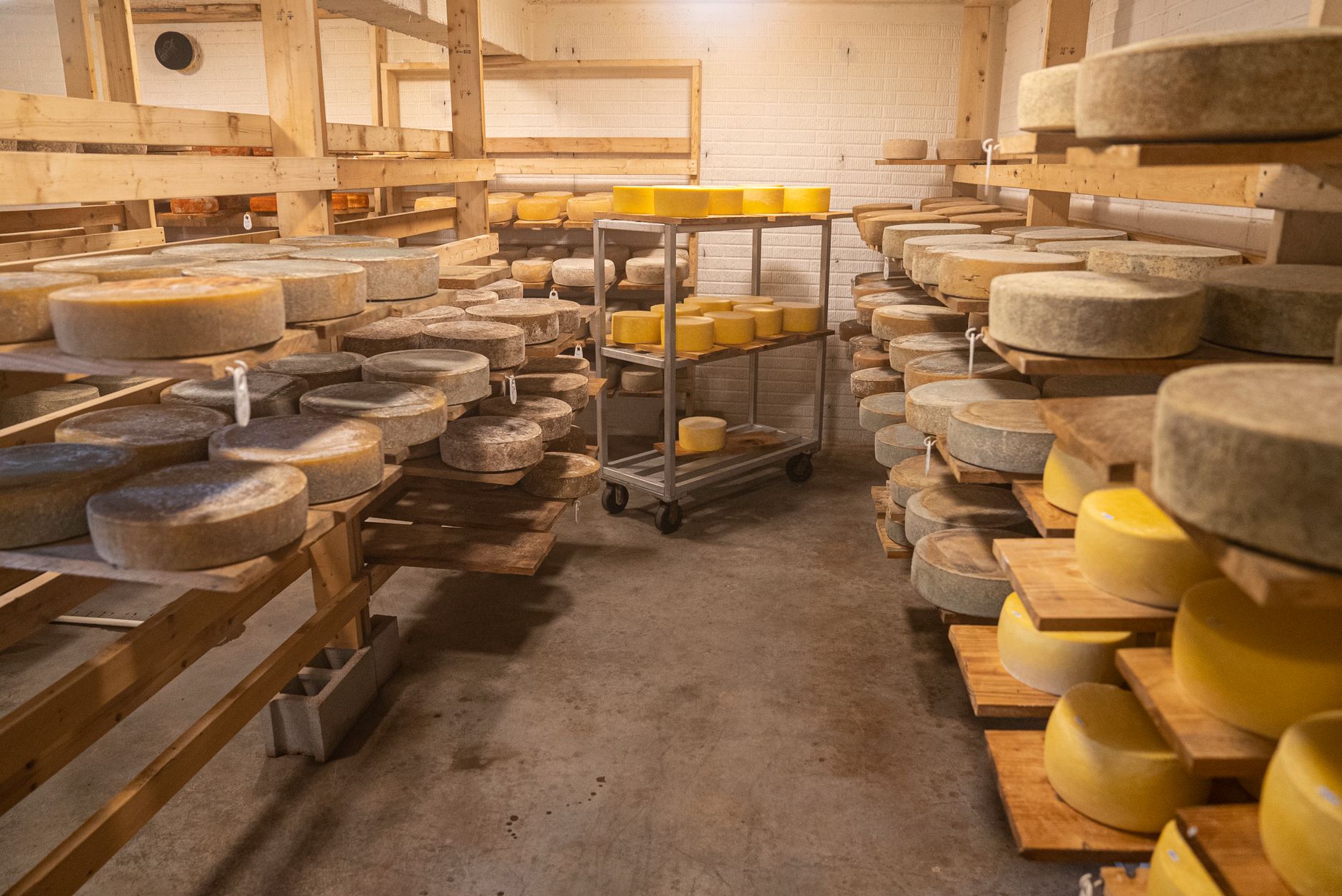
Discover the selection of the best vintages of Beaufort, Abondance, and farmhouse Reblochon.
For more ideas, consult our collection of sublime terroir recipes.
All recipesTechniques to Sublimate the Terroir
Learn to respect the ingredient through ancestral and modern methods.
Low Temperature Cooking
Ideal for meat from our breeders, this technique preserves the protein structure and retains all the juices, preventing noble cuts from drying out.
Lacto-fermentation
A traditional method to preserve summer vegetables all winter while boosting their probiotic properties. A mountain cooking essential.
Solar Dehydration
Concentrate the flavors of alpine herbs and wild mushrooms without using fossil fuels. A skill to rediscover in Cooking Tips.
The Art of Braising
For winter root vegetables, slow braising in Savoy wine transforms modest products into gastronomic gems.
Frequently Asked Questions
Does eating local cost more? ↓
Where can I find an AMAP in Savoy? ↓
Which vegetables are in season in February in Savoy? ↓
How do I know if a cheese is truly local? ↓
Can I cook local even if I'm a beginner? ↓
What is the carbon impact of food transport? ↓
How to keep vegetables longer? ↓
Which wines pair best with local products? ↓
What is "Localwashing"? ↓
Can I visit farms in Savoy? ↓

Ready to Rediscover the Real Flavor?
Sign up for our newsletter to receive the seasonal product calendar and exclusive recipes from our partner chefs every month.
Join 25,000 Savoyard gastronomy enthusiasts.