
Gastronomic Walks at High Altitude
Discover how the effort of walking enhances the authentic flavors of the Savoyard terroir. A total immersion between snowy peaks and exceptional tables.
Mountain Art of Living: More than a meal, a destination
In this year 2026, the French mountains are no longer just a playground for athletes. They have become the epicenter of a culinary pilgrimage where every trail leads to a taste discovery. From the peaks of Vanoise to the foothills of Mont Blanc, Savoyard gastronomy asserts itself as a living cultural treasure, combining the harshness of alpine conditions with the finesse of exceptional products.
Each massif has its secrets. While the Beaufortain offers its "Prince of Gruyères," more remote valleys jealously preserve recipes of traditional dishes passed down from generation to generation. For the hiker, arriving at an alpine pasture after a three-hour climb is not just a physical victory; it's the opening of a dialogue with the local producer.
"Eating at altitude is tasting the landscape. The wild herbs you tread upon are the same that flavor the milk of the cows encountered around a bend in the path."
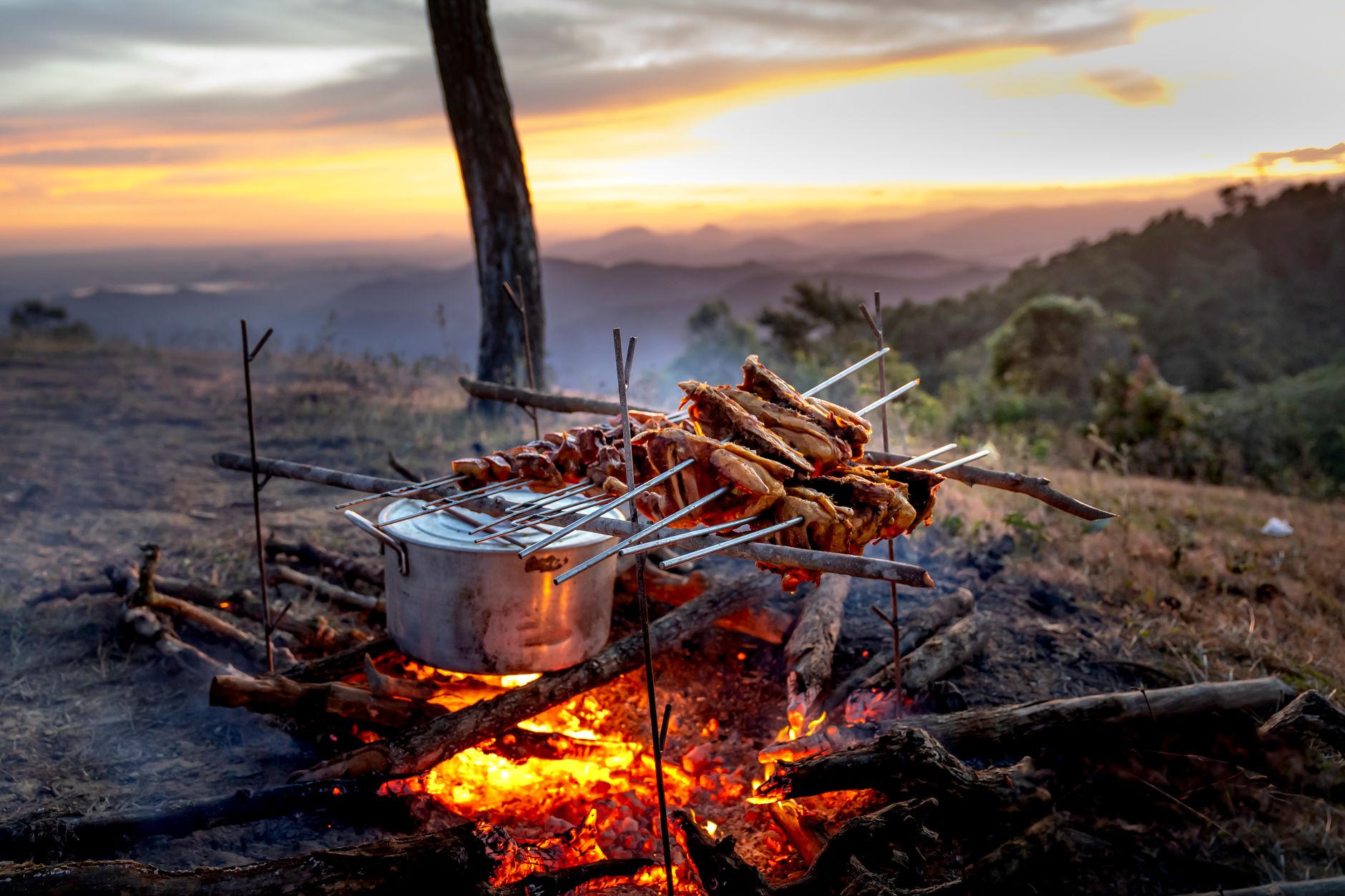
The Terroir along the Trails
Explore the pillars of our gastronomy through a selection of unique experiences blending sport and indulgence.

Alpine Pasture Cheeses
Discover the production cycle, from morning milking to cellar aging.
See the must-try cheeses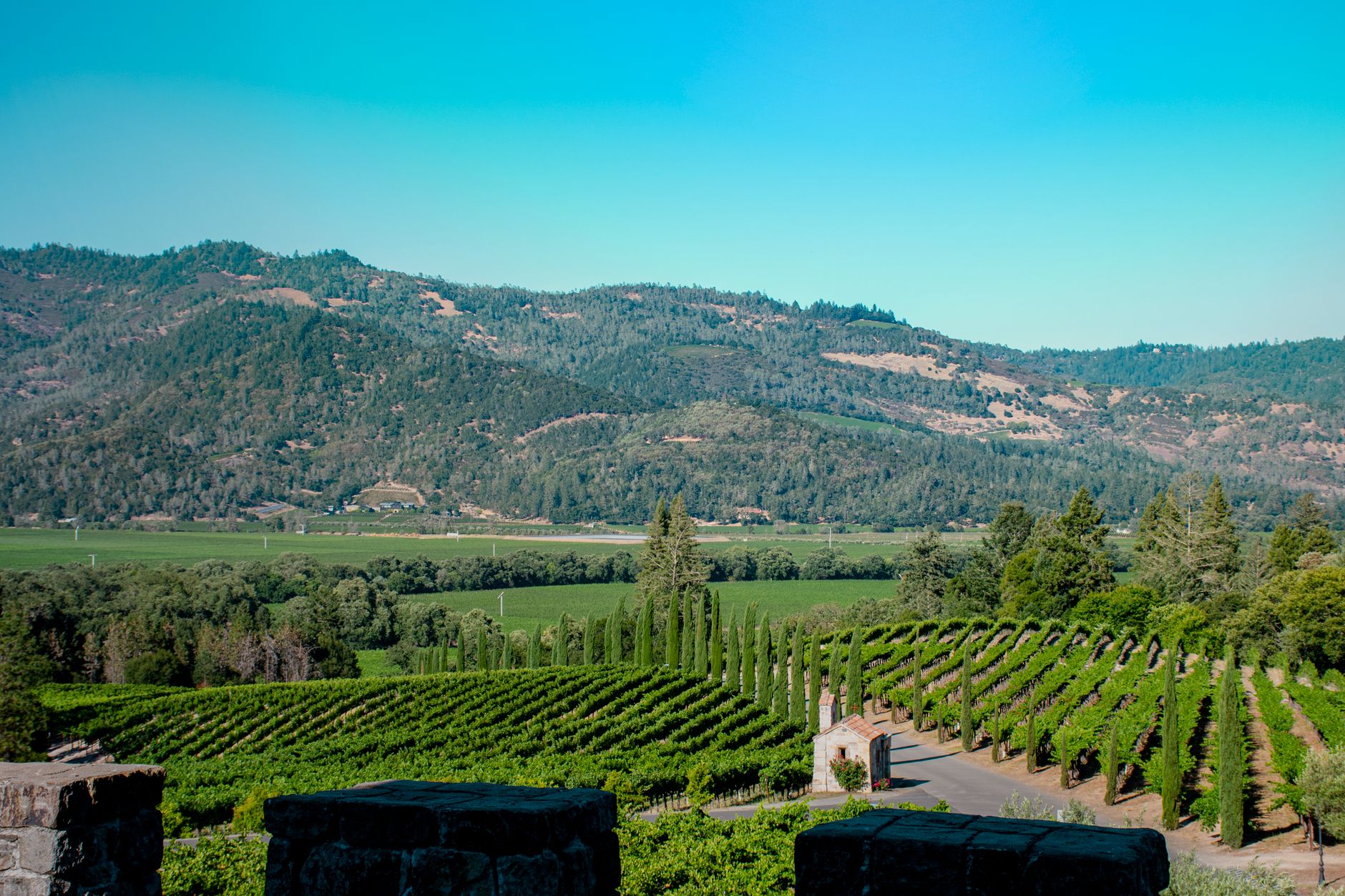

Foraging
Génépy and Blueberries

Innovation
High Altitude Bistronomy
The Savory Paradox: Between Cast Iron Cauldrons and Low-Temperature Cooking
In 2026, the duality between tradition and innovation has never been so fruitful. On one hand, we have the immutable respect for the history of Savoyard dishes, those survival recipes that became symbols of conviviality. Tartiflette or fondue are not just calorie mixes, but tales of pastoral life.
On the other, a new generation of chefs is settling in resorts and refuges. These creators reinterpret classics by emphasizing short circuits. Gone are the imported products: today, the menu evolves with the rhythm of the seasons. We rediscover the forgotten taste of wild garlic, crozets made with local buckwheat flour, or mountain stream trout enhanced by modern smoking techniques.
Local Commitment in 2026
- ✓ 95% of products used in our partner addresses come from within a 100km radius.
- ✓ "Mountain Agriculture" certification for almost all cattle farms.
- ✓ Active support for young farmers wishing to take over farms in high-altitude mountain zones.
This approach meets a growing demand from visitors seeking meaning. Eating becomes a committed act, direct support for the local economy and the preservation of the landscapes we love to traverse.
Gourmet Effort Simulator
How many kilometers of walking to deserve a slice of Tartiflette? Our exclusive tool calculates your energy needs based on your route for guilt-free pleasure.
Your Energy Balance
This is equivalent to approximately:
Based on the average nutritional values of Savoyard cuisine.
Refuges and Inns: Sublime Simplicity
Far from the crowds, these establishments are the last bastions of authentic hospitality. Here, luxury is space, silence, and a hot dish shared on a solid wood table.

L'Écrin des Sommets
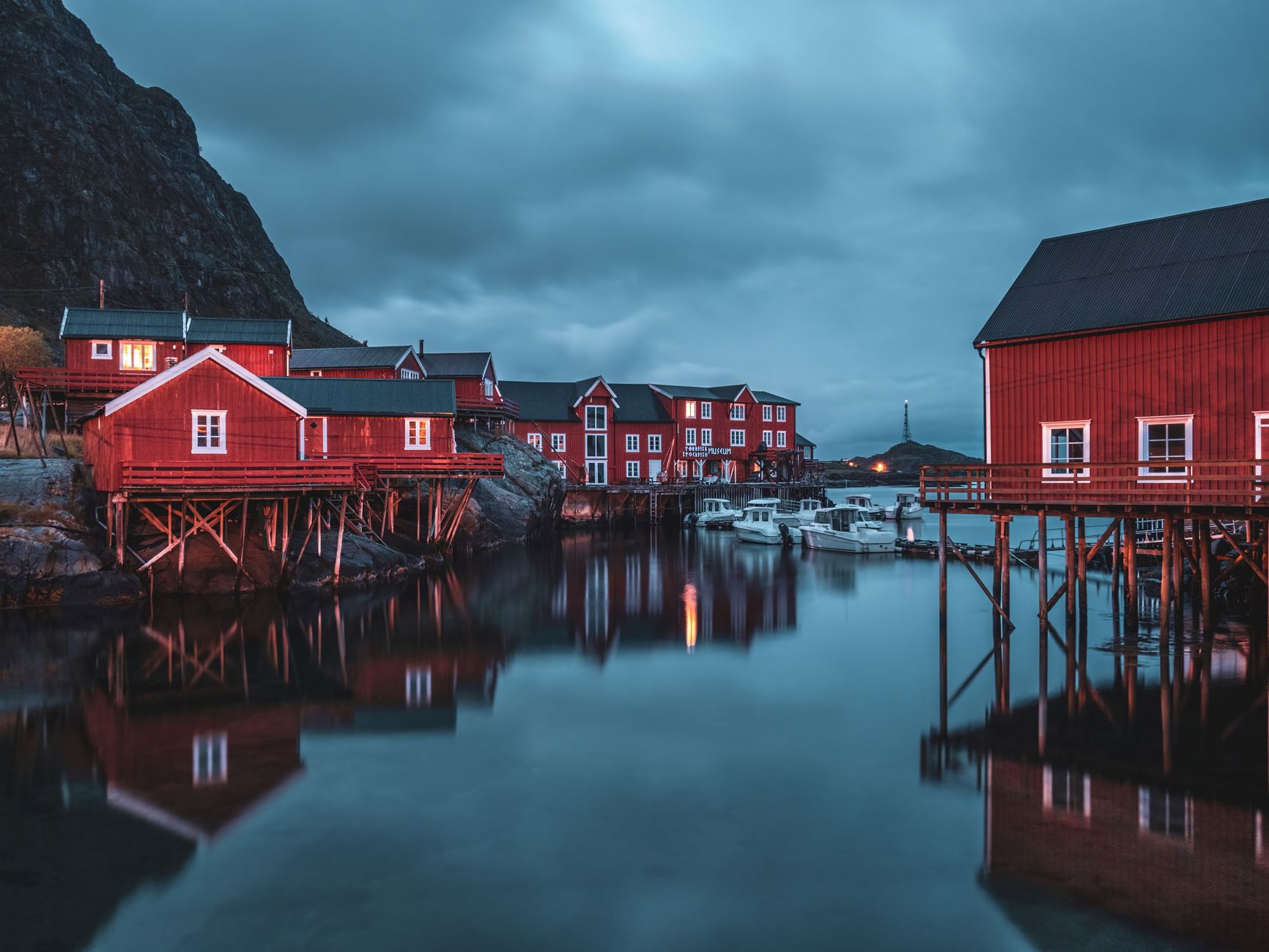
Located at 2400m, this refuge offers candlelit fondues under a geodesic dome. Accessible only by snowshoes or ski touring.
La Table du Berger
A Michelin-starred cuisine that has lost none of its roots. Enjoy lake féra and wild herbs gathered that very morning.

Auberge de la Grande Glière
The temple of artisanal croziflette. Everything here is homemade, from the sourdough bread to the génépy liqueur.

Gastronomic Festivities Calendar
Life in the mountains is punctuated by transhumances and harvests. In 2026, these traditions have transformed into major events where the visitor becomes a participant.
Savoy Cheese Festival
The largest gathering of local producers. Free tastings and milking competitions.
Dinners Under the Stars
Michelin-starred chefs cook outdoors in the middle of alpine pastures for a unique sensory experience.
Bidoyon Festival
Celebration of fresh apple juice and local cider in the villages of Haute-Savoie.
Frequently Asked Questions
Everything you need to know to prepare for your gastronomic walk.
What are the best months for a gourmet hike?
From mid-June to mid-September for active alpine pastures, and from December to March for winter refuge experiences.
Is it necessary to book in refuges?
Yes, especially in high season. Some popular establishments fill up several weeks in advance for dinners.
Can one buy cheese directly on-site?
Absolutely! Most shepherds in the alpine pastures sell their production. Bring cash and an insulated bag.
Are the routes accessible to children?
Many inns are accessible via carriageable paths or short 30-45 min walks suitable for families.
Are there vegetarian options?
Savoyard cuisine is rich in cheese and eggs. Dishes like the mountain skillet (without bacon) are common.
What shoes for a gastronomic walk?
Walking shoes with good soles are recommended, even for accesses that seem easy.
How is waste managed at altitude?
Zero waste is the rule. Everything you take up must come back down with you to preserve the ecosystem.
Can I bring my dog?
Generally yes, but on a leash is mandatory because of herds and patous (livestock guardian dogs).
Other questions?
Consult the full FAQReady for Your Next Gourmet Ascent?
Let our experts guide you and discover the best-kept secrets of the Savoy mountains.
"The mountain offers us the setting, gastronomy offers us the soul."