Diots in White Wine
These pork sausages, often smoked, simmer for a long time with onions and a good Apremont. A family meal classic.
The Recipe →
In this year 2026, tradition has never been so modern. Discover how to harmonize your high-altitude adventures with the culinary excellence of our local regions.
Imagine yourself at sunrise. The air is crisp, almost biting, filled with the scent of pine resin and damp earth. You adjust your laces, backpack securely in place, ready to face the elevation gain. In Savoy, every step towards the summits is a promise. Hiking is not just a sport; it is a pilgrimage towards authenticity. But what would conquering a pass be without the reward waiting for you at the refuge or back in the valley?
Savoyard gastronomy is inseparable from its landscape. It was forged by long winters, the grueling work of the mountain pastures, and the need for conviviality. Today, we invite you to explore this sacred link between physical effort in the mountains and the comforting pleasure of a generous table.

You enjoy strolls in the forest, along glacial lakes, or on open plateaus. For you, hiking is a leisurely walk where you take the time to photograph mountain flowers.
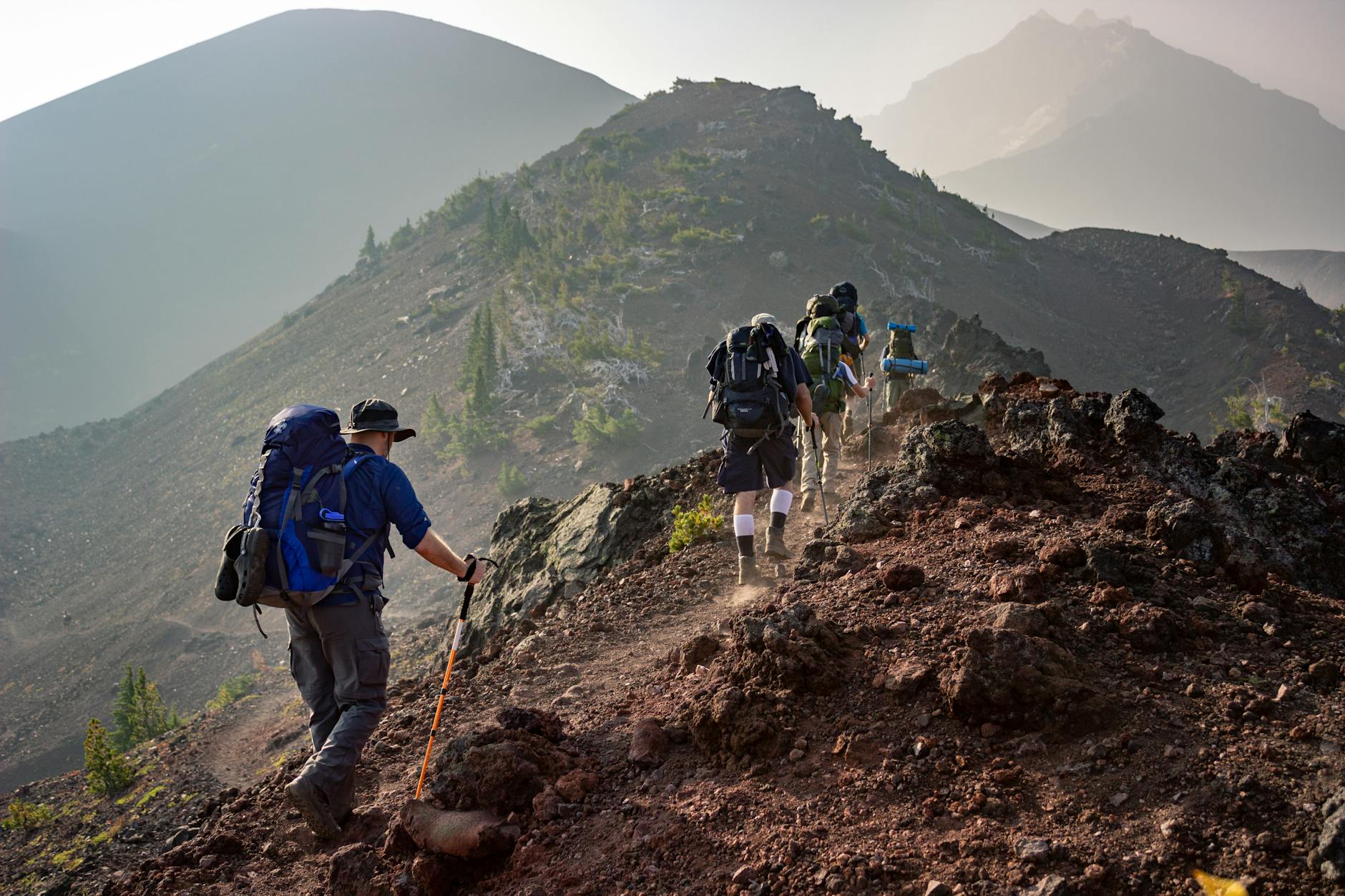
Short of breath, the pace is steady. You aim for viewpoints and passes that require real physical commitment. Sweat is the price for the panoramic view.

The void doesn't scare you. You master technical sections, ridges, and long days of walking. You are one with the Savoyard rock.
Calculate the ideal proportions according to your effort of the day.
Tip: For a successful fondue, mix three cheeses (Beaufort, Comté, Savoy Emmental). Consult our complete fondue guide.
Savoyard cuisine seems simple, but it relies on a precise science of ingredients. Did you know that the melting temperature of the cheese can transform a silky fondue into a block of rubber? Or that the secret to a perfect Tartiflette lies in how the Reblochon is cut?
Favor PDO (Protected Designation of Origin) cheeses. A summer Beaufort will bring floral notes that you will never find in an industrial version.
For the fondue, the white wine must be heated with a pinch of starch. This is the secret to binding the cheese fats with the wine's water.
Never serve cold cuts too cold. Take your diots and your Savoy cured ham out at least 30 minutes before tasting to release the aromas.

These pork sausages, often smoked, simmer for a long time with onions and a good Apremont. A family meal classic.
The Recipe →A variant of the tartiflette where potatoes are replaced by Crozets, these typical small buckwheat squares.
The Recipe →A surprising sweet and savory dish made from grated potatoes, bacon, prunes, and raisins. A treasure of the Arve Valley.
Its History →Less known than fondue, it consists of melting a Tome des Bauges directly in its rind with garlic and white wine.
Where to taste it →We live in an era where time is a precious resource. Yet, the call of the mountains remains strong. How to reconcile an active urban life with the desire for authentic flavors? The answer lies in intelligent simplification without compromising on product quality.
For example, the Savoyard Fondue does not necessarily require professional equipment. A simple cast-iron pot or a heavy-bottomed saucepan is enough, provided you respect the golden rule: never stop stirring in a figure-eight pattern.
"After climbing Mount Pourri, nothing compares to the first bite of a fondue shared with friends. It's more than a meal; it's a communion."
— Marc, High mountain guide in Tignes
"The secret of my tartiflettes? I always rub the dish with a clove of garlic from my garden before arranging the potatoes."
— Marie-Thérèse, Mountain pasture Reblochon producer
Favor local wines like Apremont, Abymes, or Roussette. A dry and mineral wine is essential to balance the fat of the cheese. See our wine guide.
It's possible, but the texture of the potatoes and cheese is likely to suffer. It's better to prepare the ingredients and gratinate at the last moment.
The Savoyard version mainly uses Beaufort, Abondance, and Savoy Emmental. The Swiss version (moitié-moitié) uses Gruyère and Vacherin Fribourgeois.
A country bread with a thick crust, 24 hours stale, is ideal so it doesn't get lost at the bottom of the pot!
Add a teaspoon of cornstarch (Maïzena) diluted in a little cold wine or kirsch when you heat the wine.
It's the grilled cheese crust that remains at the bottom of the pot at the end of the fondue. Many consider it the best piece!
Yes, you can replace the bacon bits with Bresaola (viande des Grisons) or smoked tofu for a vegetarian version, as the smoky taste is crucial.
Reblochon (tartiflette), Beaufort (fondue), Savoy Raclette, and Tome des Bauges are the pillars of our gastronomy.
Look at the pellet: it must be green (farmhouse) for optimal quality, meaning the cheese is made on the farm with milk from a single herd.
Many inns and farms offer workshops. See our Gourmet Addresses section.
Whether you are returning from an epic climb or simply want to warm your home, Savoy invites itself to your table.