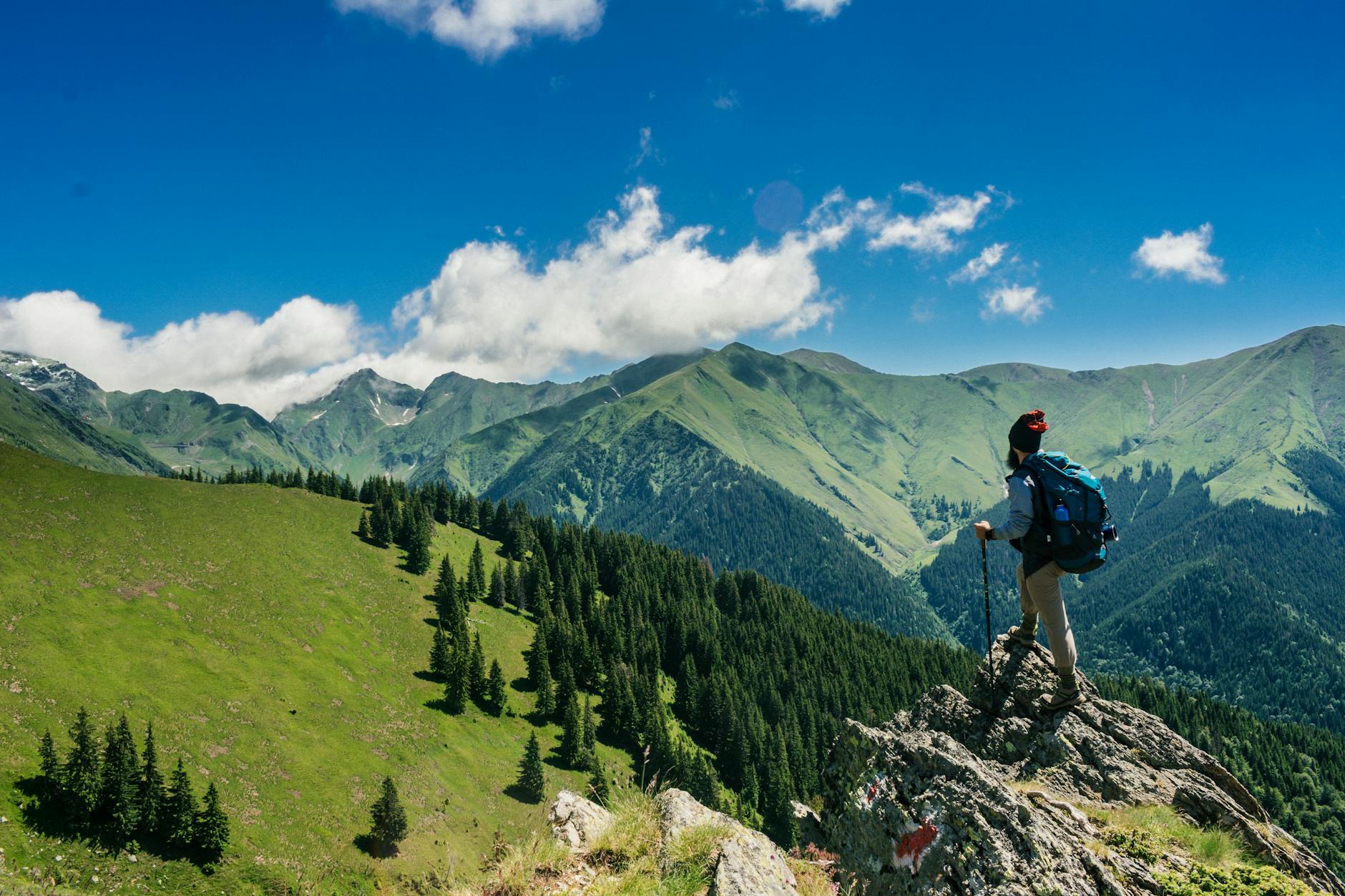
Savoy Mountains

The Art of Cheese
in the Savoyard Terroir

Discover the millenary heritage of high-altitude pastures, where each wheel tells a story of passion, climate, and ancestral know-how.

Explore the Treasures of Savoie
Living Heritage

A Sensory Journey to the Heart of the Alps

In Savoie, cheese is not just a simple food; it is a pillar of regional identity. Since the Middle Ages, mountain farmers have transformed the raw milk from their herds into true masterpieces of preservation. This harsh climate has forged cheeses with character, capable of lasting through winters and nourishing families.

Today, this craftsmanship is protected by labels of excellence, guaranteeing that every bite respects strict quality standards: cows fed with local grass and hay, additive-free processing, and slow aging in humid cellars. We invite you to dive into this complete guide to Savoyard gastronomy to understand why these cheeses are unique in the world.

Wheel of Beaufort Tarine Cows

The 8 PDO & PGI Gems

Protected Designations of Origin and Protected Geographical Indications that are the pride of our valleys.

Beaufort PDO

PDO

Nicknamed the "Prince of Mountains", this cooked pressed cheese stands out with its concave heel and complex floral aromas. It requires at least 5 months of aging to reveal all its splendor.

Pastures

Reblochon PDO

Creamy, with a nutty flavor. Indispensable for a true tartiflette.

Abondance PDO

A flexible and melting paste, produced exclusively with milk from cows of the eponymous breed in the Chablais.

Tome des Bauges PDO

Characterized by its grey "flowery" rind, it offers flavors of undergrowth and moss.

Savoyard farm

Tomme de Savoie PGI

PGI

The oldest of Savoy cheeses. It exists in different fat content levels, reflecting the history of farms that skimmed the milk to make butter.

Learn more about labels

Emmental PGI

The giant of the Savoys, recognizable by its holes (or eyes) formed during fermentation in warm cellars.

Understanding Quality Signs

PDO: Protected Designation of Origin

PDO is the holy grail of terroir. It guarantees that the cheese is produced according to recognized expertise, in a specific geographical area, and with local ingredients. For Beaufort or Reblochon, this means cows can only eat grass in the summer and hay in the winter, prohibiting any fermented food (silage) that would alter the taste of the milk. It is the promise of absolute traceability from the farm to your plate.

PGI: Protected Geographical Indication

PGI, as for Tomme de Savoie or Emmental de Savoie, emphasizes geographical origin during one of the production, processing, or preparation stages. It protects the product name throughout the European Union and assures consumers that the link with the Savoyard territory is real and historic.

Did you know?

"The floral richness of high-altitude pastures (more than 100 different plant species per square meter) directly influences the molecular composition of the milk. This is why an alpage Beaufort will never have the same taste as a cheese produced in the lowlands."

Ideal Platter Simulator

Are you organizing a cocktail party or a traditional meal? Use our tool to calculate the exact quantities and variety of cheeses needed to delight your guests.

4 people

Your Recommendation

0.32 kg

Total recommended cheese weight

🧀 3 different varieties

🍷 Suggested pairing: Mondeuse or Chignin-Bergeron

See detailed wine pairings
Savoy Wine

Master Cheesemaker's Secrets

The Art of Choosing

To choose your cheese, trust your senses. The rind should be healthy, without excessive cracks. A **Summer Beaufort** will have a deep yellow paste (thanks to the beta-carotene in fresh grass), while a Winter Beaufort will be paler. For **Reblochon**, check the casein mark: red for dairy, green for farmhouse (made on the farm directly after milking).

Storage & Temperature

Cheese is a living material. Store it in the bottom of your refrigerator, ideally in its original paper or a damp cloth for pressed cheeses. **Golden rule:** take your cheeses out at least 1 hour before tasting. At room temperature, the fats soften and release the aromatic molecules trapped by the cold.

White Pairing

Roussette de Savoie or Chignin-Bergeron sublime the richness of the cheese with their controlled acidity.

Red Pairing

A Mondeuse with notes of pepper and black fruits to match the character of aged Beauforts.

Living the Tradition

Every summer, the mountains come alive to the rhythm of herds moving up to the high pastures. This is the **Emmontagnée**. In autumn, the **Démontagnée** (or Désalpe) celebrates the cows' return to the valleys. These moments are crucial for local gastronomy.

  • The Savoy Cheese Festival: A rotating event every year to celebrate the 8 PDO/PGI.
  • The Cheese Route: A marked itinerary to visit farms, cooperatives, and aging cellars.
Consult the 2026 calendar
Artisanal production

Cooking Our Cheeses

Frequently Asked Questions

Can you eat the rind of Savoy cheeses? +

For Savoy PDO/PGI, the rind is 100% natural (resulting from rubbing with salt water and the development of ferments). It can be eaten on Reblochon or Tome des Bauges. For hard cheeses like Beaufort or Emmental, it is often too hard and of no culinary interest, so it is better to remove it.

What is the difference between Summer Beaufort and Winter Beaufort? +

Summer Beaufort is produced from June to October when the cows are in the high mountain pastures. The milk is rich in floral and grass aromas. Winter Beaufort is made with hay; it has a lighter paste and more subtle flavors of cream and butter.

How long does a piece of cheese keep? +

Cooked pressed cheeses (Beaufort) keep for several weeks. Soft cheeses (Reblochon) should be consumed within 10 days of purchase to enjoy their creaminess.

Is farmhouse Reblochon better? +

It's not "better" but different. It is handmade on the farm twice a day, right after milking. Its taste is more pronounced and its texture more artisanal than dairy Reblochon (made in cooperatives).

Are there goat cheeses in Savoie? +

Yes! The most famous is Chevrotin PDO, an uncooked pressed goat cheese that visually resembles a small Reblochon but with a caprine character.

Why do some cheeses have a red or green dot? +

It is a casein identification mark (edible). On Reblochon, green means "Farmhouse" and red means "Dairy". This guarantees the origin and production method.

What is "real" Emmental de Savoie? +

Emmental de Savoie PGI is made from raw milk. It is much more fruity and fragrant than the industrial emmental often found grated. A whole wheel weighs about 75kg!

What are the nutritional benefits? +

These cheeses are excellent sources of calcium and high-quality protein. Made with raw milk, they retain a microbial biodiversity beneficial for the intestinal flora.

Wood texture

Ready for a Tasting?

Supporting local producers means preserving a unique culinary heritage. Find the best addresses near you or during your next stay.